
BuddhistCatholicContemplativeEvangelicalGeneral ChristianHinduJewishLatter-day SaintMuslimNew VisionsProgressive Christian
Beliefs
- Buddhist
- Catholic
- Contemplative
- Evangelical
- General Christian
- Hindu
- Jewish
- Latter-day Saint
- More Voices
- Muslim
- New Visions
- Pagan
- Progressive Christian
Topics
- Religion News
- Food and Religion
- Sports and Religion
- Religious Art
- Religious Music and Entertainment
- Religious Events
- History and Religion
- Style and Religion
- Politics and Religion
- Women in Religion
- Recreation Outdoors and Religion
- Business Finance and Religion
- Careers Workplace and Religion
- Education and Religion
- Family Parenting and Religion
- Health Fitness and Religion
- Home and Religion
- Relationships and Religion
- Technology and Religion
- Travel and Religion
Columnists
- Buddhist Columnists
- Business Finance and Religion Columnists
- Careers Workplace and Religion Columnists
- Catholic Columnists
- Contemplative Columnists
- Education and Religion Columnists
- Evangelists Columnists
- Family Parenting and Religion Columnists
- General Christian Columnists
- Health Fitness and Religion Columnists
- Hindu Columnists
- History and Religion Columnists
- Home and Religion Columnists
- Jewish Columnists
- More Voices Columnists
- Latter Day Columnists
- Muslim Columnists
- New Visions Columnists
- Nonreligious Columnists
- Pagan Columnists
- Politics and Religion Columnists
- Progressive Columnists
- Recreation Outdoors and Religion Columnists
- Relationships and Religion Columnists
- Religion News Columnists
- Religious Art Columnists
- Religious Events Columnists
- Religious Music and Entertainment Columnists
- Sports and Religion Columnists
- Style and Religion Columnists
- Technology and Religion Columnists
- Travel and Religion Columnists
- Women in Religion Columnists
Resource Library
- 2026 Calendar
- Library of World Religions
- The 100 Most Holy Places on Earth
- Patheos Answers
- Podcasts
- Videos
- Faith Leaders Database
- Anglican Episcopalian
- Bahai
- Baptist
- Buddhism
- Christianity
- Confucianism
- Eastern Orthodoxy
- Hinduism
- Holiness and Pentecostal
- ISKCON
- Islam
- Judaism
- Lutheran
- Methodist
- The Church of Jesus Christ of Latter-day Saints
- New Age
- Paganism
- Presbytarian and Reformed
- Protestantism
- Religion Behind the Scenes
- Roman Catholic
- Scientology
- Shia Islam
- Sikhism
- Sufism
- Sunni Islam
- Taoism
- Zen
- See all religions
Research Tools
 Ad-Free & Subscriber Log-In Subscription Support
Ad-Free & Subscriber Log-In Subscription Support
Follow Patheos 

- Trending:
- Forgiveness
- |
- Marriage
- |
- Consciousness
- |
- Death Penalty
- |
- Election
- |
- Halloween
 altmuslim
- Home
- Muslim
- Existing in the Shadows in Ramadan
Existing in the Shadows in Ramadan
Last updated on: May 27, 2018 at 4:53 pm by Guest Contributor
Existing in the Shadows in Ramadan 2018-05-27T16:53:01-04:00 Guest Contributor
Patheos Explore the world's faith through different perspectives on religion and spirituality! Patheos has the views of the prevalent religions and spiritualities of the world.

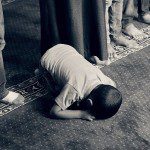
Image source: Pixabay
This is Day 12 of the 2018 #30Days30Writers Ramadan series.
For most people, Ramadan is a joyous and unifying experience; a time of spiritual renewal and growth. But for Muslims living with depression and anxiety disorders, the onset of Ramadan can be terrifying. For those existing in the shadows because they’re combating an easily concealed chronic illness, it can also be a time of misunderstanding, isolation and loneliness.
“Most people think that mental illness is the guy walking down the street talking to himself,” explains educator and author Khadijah Abdulhaqq. “However, in actuality, most symptoms of mental illness are invisible. People with mental illnesses learn how to function in mid-disease, much like people affected with diabetes, fibromyalgia, lupus and other chronic diseases.”
Depression and anxiety disorders leave a person’s exterior appearance intact while significantly affecting their inner world. It’s a double-edged sword, a curse and a blessing. On the one hand, the hidden nature of the disorder can help conceal how a person honestly feels, allowing them to project a healthy, care-free demeanor and appearance. But because the person looks “just fine,” the disorder may be perceived as less than legitimate.
“Sufferers of mental illness have a unique struggle. They not only have to cope with symptoms, but they have to cope with the stigma about what the illness may represent in the minds of acquaintances and even family members. Additionally, there are many myths and misunderstandings about the various mood disorders,” says social worker, Julia Terry.
Will others think I am less faithful if I am unable to fast, since I look healthy? Although provisions exist in Islam that make allowances for those too ill to fast, the stigma of being seen not fasting when one appears fit and able-bodied may be particularly tricky.
Unlike physical disabilities, psychic pain is invisible to the eye.
Depression and anxiety are described as pain so intense that they can send those suffering into the dark depths of despair. Hypercritical comments — even when posed as innocent questions — can place undue stress, shame and feelings of inadequacy on those unable to fast.
Here are a few examples:
“How’s your fast going?” If this is said to someone who is suspected of not fasting. It is an accusation disguised as a question and passive-aggressive in tone.
“Why aren’t you fasting today?” A more direct question that lacks empathy. It should be noted that having a mood disorder is a full-time job with numerous responsibilities. Dodging antagonism should not be one of them.
“Why can’t you fast?” Here is another prime example of a question which should never be asked. Just because a person looks healthy on the outside doesn’t mean things haven’t changed drastically for them on the inside.
Our masjids should be safe zones for all Muslims, not combative places inundated with emotional minefields. Those battling illness have just as much right to participate in community and religious events as the healthy without feeling judged or maligned. Increased awareness and non-judgmental and open conversations concerning critical topics such as these need to occur before more people are shunned or ostracized away from the deen.
Mood disorders cannot be managed well in isolation. A person with depression, anxiety, PTSD, OCD, SAD and/or PPD should feel safe to communicate their needs and wants without being made to feel guilty or treated like a burden.
“There is help, there are options, and most importantly, people need to know that they aren’t alone. It is amazing how much power there is in the awareness that one is not the only person going through his or her ordeal. Having awareness in and of itself can lessen the stress of living with these conditions,” adds social worker Nancy Gordon.
Sometimes, however, people with mental health disorders may doubt the severity of their illness, questioning as to whether or not it’s a valid enough reason not to fast. At the expense of their wellbeing, those on medication may reschedule or dismiss entire dosages to satisfy the stringent time constraints of a Ramadan fast, never realizing what potential health complications they are exposing themselves too. And all because they are under the false assumption that if they don’t fast, they are sinning.
It is also incumbent on those living with easily concealed mood or anxiety disorders to learn how to share and educate about their struggles with family, friends and community. Sharing experiences and keeping an open mind about the different paths we each take can bring about a profound change of understanding and a window of opportunity for those unable to fast from food. These individuals can still participate in the Ramadan experience in countless and compelling ways, benefiting not only them but the community at large.
Remain gentle in spirit.
Ramadan Karim.

About Sahar Abdulaziz, MS
Sahar Abdulaziz has authored six books: But You LOOK Just Fine [Health/non-fiction], As One Door Closes [Contemporary Fiction], The Broken Half [Contemporary Fiction], Secrets That Find Us [Fiction/Thriller/Suspense], Tight Rope [Thriller/Political Fiction], and her children’s book, The Dino Flu. Her next contemporary fiction novel, Expendable, is due for release July 2018. Abdulaziz’s work covers a wide range of hard-hitting topics: mood disorders [depression, anxiety, PTSD, OCD, PPD], domestic violence and sexual assault, marital and family dysfunction, racism, sexism, and prejudice, but most of all -- survivorship. Find her on Twitter: @Sahar_Author; and on Facebook: Sahar Abdulaziz Author You can read more about the author here.
Previous Post

May 26, 2018
How a New Muslim Tribe in West Africa Took Me Back to the Basics
Next Post
May 28, 2018 Make Ramadan be About the Quran and Generosity of Spirit
Browse Our Archives
Select a Category 2012 Elections 30 Dayd 30 Writers (2017) 30 Days 30 Writers 30 Days 30 Writers (2015) 30 Days 30 Writers (2016) 30 Days 30 Writers (2018) 30 Days 30 Writers 2017 Ali Asadullah Ali Eteraz Alper Bilgili Arthur Richards Asides Asma Uddin Black History Month Briefings Charles Turner Commentary Cyrus McGoldrick Eman H Aly Fatimah Popal Hajj Hajj and Dhul Hijjah Hesham Hassaballa Hisham Hellyer Ibrahim Abusharif Inas Younis Irfan Yusuf Jalal Baig Junaid Afeef Laila Alawa Laila Alwala Mas'ood Cajee Muqtedar Khan Nakia Jackson Newsmakers Parvez Ahmed Podcasts Rabia Chaudry Rafia Zakaria Ramadan Reviews Safiyyah Ally Saud Inam Shahed Amanullah Svend White The Opinionated Oncologist Visions Wajahat Ali Zahed Amanullah Zahir Janmohamed Zainab Khan
Select a Month November 2018 October 2018 September 2018 August 2018 July 2018 June 2018 May 2018 April 2018 March 2018 February 2018 January 2018 December 2017 November 2017 October 2017 September 2017 August 2017 July 2017 June 2017 May 2017 April 2017 March 2017 February 2017 January 2017 December 2016 November 2016 October 2016 September 2016 August 2016 July 2016 June 2016 May 2016 April 2016 March 2016 February 2016 January 2016 December 2015 November 2015 October 2015 September 2015 August 2015 July 2015 June 2015 May 2015 April 2015 March 2015 February 2015 January 2015 December 2014 November 2014 October 2014 September 2014 August 2014 July 2014 June 2014 May 2014 April 2014 March 2014 February 2014 January 2014 December 2013 November 2013 October 2013 September 2013 August 2013 July 2013 June 2013 May 2013 April 2013 March 2013 February 2013 January 2013 December 2012 November 2012 October 2012 September 2012 August 2012 July 2012 June 2012 May 2012 April 2012 March 2012 February 2012 January 2012 December 2011 November 2011 October 2011 September 2011 August 2011 July 2011 June 2011 May 2011 April 2011 March 2011 February 2011 January 2011 December 2010 November 2010 October 2010 September 2010 August 2010 July 2010 June 2010 May 2010 April 2010 March 2010 February 2010 January 2010 December 2009 November 2009 October 2009 September 2009 August 2009 July 2009 June 2009 May 2009 April 2009 March 2009 February 2009 January 2009 December 2008 November 2008 October 2008 September 2008 August 2008 July 2008 June 2008 May 2008 April 2008 March 2008 February 2008 January 2008 December 2007 November 2007 October 2007 September 2007 August 2007 July 2007 June 2007 May 2007 April 2007 March 2007 February 2007 January 2007 December 2006 November 2006 October 2006 September 2006 August 2006 July 2006 June 2006 May 2006 April 2006 March 2006 February 2006 January 2006 December 2005 November 2005 October 2005 September 2005 August 2005 July 2005 June 2005 May 2005 April 2005 March 2005 February 2005 January 2005 December 2004 November 2004 October 2004 September 2004 August 2004 July 2004 June 2004 May 2004 April 2004 March 2004 February 2004 January 2004 December 2003 November 2003 October 2003 September 2003 August 2003 July 2003 June 2003 May 2003 April 2003 March 2003 February 2003 January 2003 December 2002 November 2002 October 2002 September 2002 August 2002 July 2002 June 2002 May 2002 April 2002 March 2002
Follow Us!
TAKE THE
Religious Wisdom Quiz
Which prophet was told to eat a scroll in a vision?
Select your answer to see how you score.
Obadiah Daniel Ezekiel Joel
Related posts from altmuslim

Ramadan Reflections - Are You Discussing Ideas, Events...

My Ramadan Truth - Dismantling the Armor of...

On the Courage to be Vulnerable and the...

#MyRamadanIs - Facilitating Safe Spaces to Share Ramadan...
TRENDING AT PATHEOS Muslim

25 Years Later: How Much Has Changed for...
As we approach the 25th anniversary of September 11th, I’ve found myself...

Podcast: Third Spaces & The Rise of Yemeni...
In the latest episode of The Artistic Foodies Podcast, hosts Abbas...

HalalFest Picks: Best 60 Halal Spots for Super...
Back in 2016, I came up with a list of 29...

Unity Is America’s Strength — Division Is Its...
by Hidayatullah Ahsan When Valentina Gomez, a Republican candidate for Congress in...

Zohran Mamdani and New York’s Fight Against Islamophobia
This past June, against all odds, Zohran Mamdani won the Democratic primary...

What the Fourth of July Means to a...
As we mark another Fourth of July, millions of Americans will celebrate...
view all Muslim blogs
Ad-Free & Subscriber Log-In Subscription Support
- About Us
- 2026 Calendar
- Videos
- Podcasts
- Library of World Religions
- Faith In Media Tracker
- Advertise With Us
- Write for Us
- Privacy Policy
- Terms of Service
- Do Not Sell My Data
- Contact Us
- Radiant Digital
- Manage Newsletter Subscriptions
- Unsubscribe From Notifications
- Sitemap
Copyright 2008-2026, Patheos. All rights reserved.
Subscription Support Ad-Free & Subscriber Log-In
Follow Patheos