
BuddhistCatholicContemplativeEvangelicalGeneral ChristianHinduJewishLatter-day SaintMuslimNew VisionsProgressive Christian
Beliefs
- Buddhist
- Catholic
- Contemplative
- Evangelical
- General Christian
- Hindu
- Jewish
- Latter-day Saint
- More Voices
- Muslim
- New Visions
- Pagan
- Progressive Christian
Topics
- Religion News
- Food and Religion
- Sports and Religion
- Religious Art
- Religious Music and Entertainment
- Religious Events
- History and Religion
- Style and Religion
- Politics and Religion
- Women in Religion
- Recreation Outdoors and Religion
- Business Finance and Religion
- Careers Workplace and Religion
- Education and Religion
- Family Parenting and Religion
- Health Fitness and Religion
- Home and Religion
- Relationships and Religion
- Technology and Religion
- Travel and Religion
Columnists
- Buddhist Columnists
- Business Finance and Religion Columnists
- Careers Workplace and Religion Columnists
- Catholic Columnists
- Contemplative Columnists
- Education and Religion Columnists
- Evangelists Columnists
- Family Parenting and Religion Columnists
- General Christian Columnists
- Health Fitness and Religion Columnists
- Hindu Columnists
- History and Religion Columnists
- Home and Religion Columnists
- Jewish Columnists
- More Voices Columnists
- Latter Day Columnists
- Muslim Columnists
- New Visions Columnists
- Nonreligious Columnists
- Pagan Columnists
- Politics and Religion Columnists
- Progressive Columnists
- Recreation Outdoors and Religion Columnists
- Relationships and Religion Columnists
- Religion News Columnists
- Religious Art Columnists
- Religious Events Columnists
- Religious Music and Entertainment Columnists
- Sports and Religion Columnists
- Style and Religion Columnists
- Technology and Religion Columnists
- Travel and Religion Columnists
- Women in Religion Columnists
Resource Library
- 2026 Calendar
- Library of World Religions
- The 100 Most Holy Places on Earth
- Patheos Answers
- Podcasts
- Videos
- Faith Leaders Database
- Anglican Episcopalian
- Bahai
- Baptist
- Buddhism
- Christianity
- Confucianism
- Eastern Orthodoxy
- Hinduism
- Holiness and Pentecostal
- ISKCON
- Islam
- Judaism
- Lutheran
- Methodist
- The Church of Jesus Christ of Latter-day Saints
- New Age
- Paganism
- Presbytarian and Reformed
- Protestantism
- Religion Behind the Scenes
- Roman Catholic
- Scientology
- Shia Islam
- Sikhism
- Sufism
- Sunni Islam
- Taoism
- Zen
- See all religions
Research Tools
 Ad-Free & Subscriber Log-In Subscription Support
Ad-Free & Subscriber Log-In Subscription Support
Follow Patheos 

- Trending:
- Forgiveness
- |
- Marriage
- |
- Consciousness
- |
- Death Penalty
- |
- Election
- |
- Halloween
 altmuslim
- Home
- Muslim
- Reclaiming the African in Black America
Reclaiming the African in Black America
Last updated on: February 15, 2016 at 3:51 pm by Guest Contributor
Reclaiming the African in Black America 2016-02-15T15:51:47-04:00 Guest Contributor
Patheos Explore the world's faith through different perspectives on religion and spirituality! Patheos has the views of the prevalent religions and spiritualities of the world.
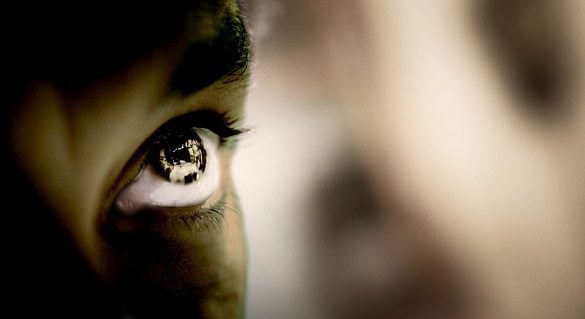
Photo is of public domain from pixabay.com
By Jamilah Thompkins-Bigelow
I have a strange — sometimes estranged — relationship with my ethnic background. Being the product of a West African immigrant mother and an olive-complexioned Black[1] father and raised as an American Muslim, it is a polyamorous relationship that cycles through breakups and makeups as I accept, embrace, reject and reconcile with all the identities that make up me.
While I could never escape my Black identity in the U.S. (even if I wanted to), I have always been able to escape my African identity, and it shames me to admit that I sometimes have. I have pretended there’s nothing between us so no one will know, then publicly displayed my affection for it in my times and spaces of ethnic pride.
In this marriage of confusion, I struggle to take a name. Do I just call myself African? Black? American? Hyphenate it? What is my name?
It’s hard to take names that others disclaim.
At home, I was Hajjah Jamilah, named after my maternal grandmother. As is common in my mother’s culture, I was named to share even the title Hajjah[2] of my namesake, who was reputed for strength. My mother sensed that I, too, was strong from the day I was born in a labor that almost killed her and me. Such a girl is one who will fight, who will tear the world apart to make space for her.
An Arabic name, Hajjah was sung out by my mother whenever calling me as only a Mandingo woman can: “Hajjaaa-a-ah! Hajjaah Jameeeeelah!” As a child, unsure which was my first name and ashamed of such an ethnic sound, I was thankful Hajjah was hidden on my birth certificate by being placed in the middle. And, outside my home, I became simply Jamillah (with a double L to rhyme with Vanilla) or Mill for short.
Why tear the world apart with my name?
For a brief time, I foolishly tried calling myself “mixed.” As a young, light-skinned woman, I discovered there is a pride in being considered mixed. It meant an escape from being African, and escape from being only Black. “You’re beautiful,” people would tell me. Then ask, “What are you mixed with?”
Saying “African” was never enough. They would prod until they could find some non-African heritage. I learned they did not confer beauty to the African parts of my mixture. Through slavery, my paternal ancestry had a great deal of the African raped out of it. Untold numbers of African women, then mixed Black women were raped by white enslavers and then told that their progeny of mulattoes, quadroons, and octaroons were more attractive, more superior and more intelligent because of it.
They were more than “just Black.” I rebelled against this narrative and eventually learned to love Blackness. Just. Blackness.
Paradoxically, sometimes that love means divorcing the distinctly African aspects of my identity.
My childhood (and adulthood) is filled with Black people who encouraged me to walk out on my African-ness. Black kids called me “African booty scratcher” when my mother’s thick accent exposed me. Even during my school’s Kwanzaa celebration, when we were told to wear “African clothing,” this meant my classmates flung flimsy strips of fake kente cloth around their necks while I was told I looked “too African” in my carefully wrapped lappa from Guinea.
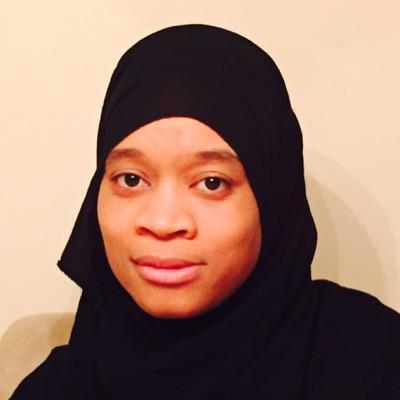
Jamilah Thompkins-Bigelow
The smirks of Black teachers seemed to concur. These and later experiences taught me that American Blackness can feign an admiration of Africa while never wanting to be fully and openly committed to her. What’s in a name? Drop the African from your name and call yourself Black American. To be African, authentically and knowledgeably, is subversive.
It makes sense. The further the distance from African-ness, the closer one is to acceptability, to assimilation, to whiteness. And I am assimilated. Yet, some part of me hears “American” as my name and feels incomplete; I call myself “Black American” and feel duplicitous — I feel like an accomplice in the whitewashing of a name.
Would I feel the same if my mother wasn’t from the Motherland? Like many Black Americans, my mouth has learned how to make the Motherland disappear by not even saying her name. Into the emptiness, I speak with the voice of an educated Black American woman — soulful, but not too soulful; rhythmic, but never committing to the beat; sing-songy and airy, somewhat like the speech of white women, except a catch in the throat prevents the words from taking flight.
Still, sometimes the nasally mother-tongue slips into my accent, filling the gaps with a sound soothing and grating at the same time. Some part of me strains to hear the high-pitched, delicate sounds of the kora harp — always playing in the background of my mind — even as I turn up the booming iambs of a Hip Hop music that stands up and protests.
Hip Hop is a music of a people who know that they must tear the world apart to make space for them. They are my people too. I am Black.
And yet, the womb that bore me belongs to a woman with an African name. A name shared by griots that sing the songs and tell the stories of my people. They are my people too. I am African. I whisper, say, then shout it. I must shout it. I must reclaim it. I must never forget.
Jamilah Thompkins-Bigelow is an educator with extensive experience in teaching, curriculum design and teacher training. Through this professional work and her time with the University of Pennsylvania’s Educational Leadership program, she has become especially skilled in organizational development, strategic planning for school improvement and the use of technology and other innovative practices to enhance instruction. Jamilah is also a 2016 MuslimARC- Muslim Anti-Racism- AMEL Fellow.
[1] While most Africans are undeniably black, Black in capitalized form will be used in this article to specifically describe the descendants of Africans who were enslaved and brought to North America.
[2] A title given to a woman who has made the hajj or pilgrimage to Mecca.
Stay in touch! Like Altmuslim on Facebook:
Previous Post

February 12, 2016
Through the Journey of Art and Activism - Finding Myself
Next Post
February 17, 2016 Raising Confident Children in a Time of Microagressions and Islamophobia
Browse Our Archives
Select a Category 2012 Elections 30 Dayd 30 Writers (2017) 30 Days 30 Writers 30 Days 30 Writers (2015) 30 Days 30 Writers (2016) 30 Days 30 Writers (2018) 30 Days 30 Writers 2017 Ali Asadullah Ali Eteraz Alper Bilgili Arthur Richards Asides Asma Uddin Black History Month Briefings Charles Turner Commentary Cyrus McGoldrick Eman H Aly Fatimah Popal Hajj Hajj and Dhul Hijjah Hesham Hassaballa Hisham Hellyer Ibrahim Abusharif Inas Younis Irfan Yusuf Jalal Baig Junaid Afeef Laila Alawa Laila Alwala Mas'ood Cajee Muqtedar Khan Nakia Jackson Newsmakers Parvez Ahmed Podcasts Rabia Chaudry Rafia Zakaria Ramadan Reviews Safiyyah Ally Saud Inam Shahed Amanullah Svend White The Opinionated Oncologist Visions Wajahat Ali Zahed Amanullah Zahir Janmohamed Zainab Khan
Select a Month November 2018 October 2018 September 2018 August 2018 July 2018 June 2018 May 2018 April 2018 March 2018 February 2018 January 2018 December 2017 November 2017 October 2017 September 2017 August 2017 July 2017 June 2017 May 2017 April 2017 March 2017 February 2017 January 2017 December 2016 November 2016 October 2016 September 2016 August 2016 July 2016 June 2016 May 2016 April 2016 March 2016 February 2016 January 2016 December 2015 November 2015 October 2015 September 2015 August 2015 July 2015 June 2015 May 2015 April 2015 March 2015 February 2015 January 2015 December 2014 November 2014 October 2014 September 2014 August 2014 July 2014 June 2014 May 2014 April 2014 March 2014 February 2014 January 2014 December 2013 November 2013 October 2013 September 2013 August 2013 July 2013 June 2013 May 2013 April 2013 March 2013 February 2013 January 2013 December 2012 November 2012 October 2012 September 2012 August 2012 July 2012 June 2012 May 2012 April 2012 March 2012 February 2012 January 2012 December 2011 November 2011 October 2011 September 2011 August 2011 July 2011 June 2011 May 2011 April 2011 March 2011 February 2011 January 2011 December 2010 November 2010 October 2010 September 2010 August 2010 July 2010 June 2010 May 2010 April 2010 March 2010 February 2010 January 2010 December 2009 November 2009 October 2009 September 2009 August 2009 July 2009 June 2009 May 2009 April 2009 March 2009 February 2009 January 2009 December 2008 November 2008 October 2008 September 2008 August 2008 July 2008 June 2008 May 2008 April 2008 March 2008 February 2008 January 2008 December 2007 November 2007 October 2007 September 2007 August 2007 July 2007 June 2007 May 2007 April 2007 March 2007 February 2007 January 2007 December 2006 November 2006 October 2006 September 2006 August 2006 July 2006 June 2006 May 2006 April 2006 March 2006 February 2006 January 2006 December 2005 November 2005 October 2005 September 2005 August 2005 July 2005 June 2005 May 2005 April 2005 March 2005 February 2005 January 2005 December 2004 November 2004 October 2004 September 2004 August 2004 July 2004 June 2004 May 2004 April 2004 March 2004 February 2004 January 2004 December 2003 November 2003 October 2003 September 2003 August 2003 July 2003 June 2003 May 2003 April 2003 March 2003 February 2003 January 2003 December 2002 November 2002 October 2002 September 2002 August 2002 July 2002 June 2002 May 2002 April 2002 March 2002
Follow Us!
TAKE THE
Religious Wisdom Quiz
What does the Bible say about giving?
Select your answer to see how you score.
Give to get rich God loves a cheerful giver Only give under pressure Never give
Related posts from altmuslim

What if Autism Awareness Month was like Black...
The Power of (and Need for) #BlackMuslimReads
Call for Submissions - Essays and Articles for...
Black History Month - the Stories We Never...
TRENDING AT PATHEOS Muslim

25 Years Later: How Much Has Changed for...
As we approach the 25th anniversary of September 11th, I’ve found myself...

Podcast: Third Spaces & The Rise of Yemeni...
In the latest episode of The Artistic Foodies Podcast, hosts Abbas...

HalalFest Picks: Best 60 Halal Spots for Super...
Back in 2016, I came up with a list of 29...

Unity Is America’s Strength — Division Is Its...
by Hidayatullah Ahsan When Valentina Gomez, a Republican candidate for Congress in...

Zohran Mamdani and New York’s Fight Against Islamophobia
This past June, against all odds, Zohran Mamdani won the Democratic primary...

What the Fourth of July Means to a...
As we mark another Fourth of July, millions of Americans will celebrate...
view all Muslim blogs
Ad-Free & Subscriber Log-In Subscription Support
- About Us
- 2026 Calendar
- Videos
- Podcasts
- Library of World Religions
- Faith In Media Tracker
- Advertise With Us
- Write for Us
- Privacy Policy
- Terms of Service
- Do Not Sell My Data
- Contact Us
- Radiant Digital
- Manage Newsletter Subscriptions
- Unsubscribe From Notifications
- Sitemap
Copyright 2008-2026, Patheos. All rights reserved.
Subscription Support Ad-Free & Subscriber Log-In
Follow Patheos