
BuddhistCatholicContemplativeEvangelicalGeneral ChristianHinduJewishLatter-day SaintMuslimNew VisionsProgressive Christian
Beliefs
- Buddhist
- Catholic
- Contemplative
- Evangelical
- General Christian
- Hindu
- Jewish
- Latter-day Saint
- More Voices
- Muslim
- New Visions
- Pagan
- Progressive Christian
Topics
- Religion News
- Food and Religion
- Sports and Religion
- Religious Art
- Religious Music and Entertainment
- Religious Events
- History and Religion
- Style and Religion
- Politics and Religion
- Women in Religion
- Recreation Outdoors and Religion
- Business Finance and Religion
- Careers Workplace and Religion
- Education and Religion
- Family Parenting and Religion
- Health Fitness and Religion
- Home and Religion
- Relationships and Religion
- Technology and Religion
- Travel and Religion
Columnists
- Buddhist Columnists
- Business Finance and Religion Columnists
- Careers Workplace and Religion Columnists
- Catholic Columnists
- Contemplative Columnists
- Education and Religion Columnists
- Evangelists Columnists
- Family Parenting and Religion Columnists
- General Christian Columnists
- Health Fitness and Religion Columnists
- Hindu Columnists
- History and Religion Columnists
- Home and Religion Columnists
- Jewish Columnists
- More Voices Columnists
- Latter Day Columnists
- Muslim Columnists
- New Visions Columnists
- Nonreligious Columnists
- Pagan Columnists
- Politics and Religion Columnists
- Progressive Columnists
- Recreation Outdoors and Religion Columnists
- Relationships and Religion Columnists
- Religion News Columnists
- Religious Art Columnists
- Religious Events Columnists
- Religious Music and Entertainment Columnists
- Sports and Religion Columnists
- Style and Religion Columnists
- Technology and Religion Columnists
- Travel and Religion Columnists
- Women in Religion Columnists
Resource Library
- 2026 Calendar
- Library of World Religions
- The 100 Most Holy Places on Earth
- Patheos Answers
- Podcasts
- Videos
- Faith Leaders Database
- Anglican Episcopalian
- Bahai
- Baptist
- Buddhism
- Christianity
- Confucianism
- Eastern Orthodoxy
- Hinduism
- Holiness and Pentecostal
- ISKCON
- Islam
- Judaism
- Lutheran
- Methodist
- The Church of Jesus Christ of Latter-day Saints
- New Age
- Paganism
- Presbytarian and Reformed
- Protestantism
- Religion Behind the Scenes
- Roman Catholic
- Scientology
- Shia Islam
- Sikhism
- Sufism
- Sunni Islam
- Taoism
- Zen
- See all religions
Research Tools
 Ad-Free & Subscriber Log-In Subscription Support
Ad-Free & Subscriber Log-In Subscription Support
Follow Patheos 

- Trending:
- Forgiveness
- |
- Marriage
- |
- Consciousness
- |
- Death Penalty
- |
- Election
- |
- Halloween
 altmuslim
- Home
- Muslim
- UnMosqued – Bringing Back Relevancy to the Mosque
UnMosqued – Bringing Back Relevancy to the Mosque
Last updated on: August 26, 2014 at 6:19 pm by Guest Contributor
UnMosqued – Bringing Back Relevancy to the Mosque 2014-08-26T18:19:03-04:00 Guest Contributor
Patheos Explore the world's faith through different perspectives on religion and spirituality! Patheos has the views of the prevalent religions and spiritualities of the world.
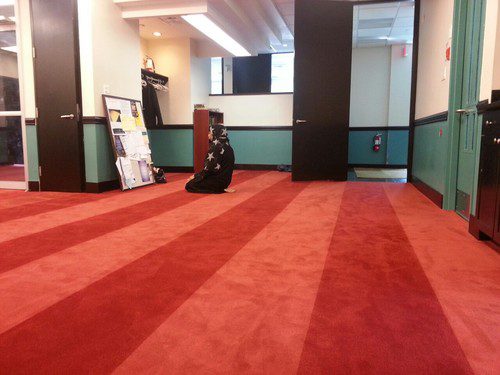
Photo courtesy of the tumblr, Side Entrance.
Editors’ Note: This article is part of the Public Square 2014 Summer Series: Conversations on Religious Trends. Read other perspectives from the Muslim community here.
By Laila Alawa
I am unmosqued. The decision came after years of struggle, gendered micro-aggressions and a lack of understanding for personal authenticity on the part of mosque leadership. I had fought long and hard to fit within the mosque I chose, to bring relevancy to the conversations being had within scheduled programming for youth and adults. But two years ago, I gave up, and walked out of the mosque, defeated and worn out.
I had had enough with the lack of relevancy in the halaqa topics being discussed, and I was tired of the malicious hyperfocus on dress code, while topics like sexual assault, substance abuse and domestic violence were the norm of hushed conversations at the end of the night. It has become far too easy for communities to focus on the irrelevant, while deeming topics of stark relevance to be “un-Islamic” or “simply not happening here.”
In burying those conversations under talk of hijri calendars and women’s dress code, we’ve lost sight of the Prophetic tradition — and it’s harming the individuals that need to be at the forefront of our communities today: The youth.
The fact of the matter is, we refuse to have uncomfortable conversations in our mosques and Muslim communities. These are not your ordinary uncomfortable conversations. They’re discussions surrounding the community’s prevalent rape culture and gender-based violence, rates of substance abuse and alcohol usage among youth, and issues of domestic violence and abuse within the home. They are open back-and-forths about safe sex and the reality of relationships today, activism what it means to have community support and the continued racism and ethnocentrism present in many mosques.
They are frank talks about gender and sexuality in Islam, the issue of class and income, and what it means to be a woman at the mosque. Frankly, these are dialogues that the Muslim American community needs to have, and they need to be happening inside our mosques. With the advent of third spaces, young Muslim Americans are no longer feeling the need to return to mosque spaces that lack both spiritual and emotional safety.
Instead, we are left with neutered mosques that serve simply as mildly crowded jummah and Eid prayer locations, multi-million dollar buildings that have served to push out the very people they were created to serve.
The question begs to be asked this: Why can’t we pull ourselves together and engage critically on topics and realities that the community would rather hide under the carpet? It’s quite simple: We are wrapped up in our discomfort in having uncomfortable conversations, and that reflects in a lack of relevancy in the topics being confronted within our conventional community centers and mosques.
This observation is one I can illustrate quite acutely. Years ago, Hurricane Katrina sent most of America into a tailspin. The ruin following the natural disaster was on everyone’s mind later that same week, and my family attended jummah with the belief that the khutbah would focus on how to raise funds to support the survivors following the natural disaster. Imagine the surprise we all felt when the khateeb decided the most relevant topic of conversation wasn’t a hurricane that had affected millions of people, but instead an unfocused sermon on the best ways to slaughter goats in a halal fashion. Growing up, those topics of irrelevancy might have been topics I couldn’t avoid. But now, many young Muslim Americans have simply chosen to stop listening to irrelevant lectures.
The repercussions are reflected then in empty halls, lacking donations, weak programming and increasingly better-populated third spaces. No longer is the American mosque a model of prophetic vision. But then again, given that the topics being confronted within weren’t prophetic either, how much blame should be put on the shoulders of the congregation that no longer wants to sit and listen to sermons ignoring relevant issues and concerns?
By not having conversations the Muslim American community needs to have, we are robbing our communities of a chance to grow, learn and develop as a mature, pluralistic entity. We are losing our youth, who are choosing instead to put in their time, efforts and resources into spaces that better serve them. And quite honestly, I don’t blame them.
If we want to bring our mosques back into relevancy, we need to stop pretending that they are simply places of worship. Communities must begin critically examining mosque leadership, demanding that these members either serve the entire community for whom they’ve been elected or step down to allow for more qualified individuals to take control.
We must also eradicate the misguided, ridiculous notion that if you don’t confront an issue, it isn’t happening. Just because alcohol abuse and domestic violence aren’t being talked about at the mosque doesn’t mean they aren’t a reality for many in the Muslim American community. There’s a need for us as a growing community to rebuild our relationships between each other as community members before trying to lure individuals back to the mosque.
Ultimately, the issue isn’t with the mosque. It’s with the people within the mosque, individuals who have taken it upon themselves to police the practice of Islam under the guise of prophetic example or tradition. Until we begin remembering just how relevant the mosque used to be in the time of the Prophet Muhammad (SAW) as a gathering place, civic engagement center, place of worship and a safe space, we are doing our own communities a disservice by not truly following the prophetic example.
One day, I hope we can return to our mosques with the understanding that our differences, good and bad, are welcome there. For now, that’s not the case.
Laila Alawa is as digital strategist, writer and cultural critic based in Washington, D.C. She is the founder and president of Coming of Faith LLC, associate editor for The Islamic Monthly and columnist for The Huffington Post, PolicyMic and Altmuslim at Patheos. She works for KARAMAH: Muslim Women Lawyers for Human Rights. Follow her on Twitter @lulainlife.
Previous Post

August 15, 2014
When 'I Don't Know' is the Best Answer
Next Post
August 28, 2014 MUHSEN and ReMosque-ing Individuals and Families with Special Needs
Browse Our Archives
Select a Category 2012 Elections 30 Dayd 30 Writers (2017) 30 Days 30 Writers 30 Days 30 Writers (2015) 30 Days 30 Writers (2016) 30 Days 30 Writers (2018) 30 Days 30 Writers 2017 Ali Asadullah Ali Eteraz Alper Bilgili Arthur Richards Asides Asma Uddin Black History Month Briefings Charles Turner Commentary Cyrus McGoldrick Eman H Aly Fatimah Popal Hajj Hajj and Dhul Hijjah Hesham Hassaballa Hisham Hellyer Ibrahim Abusharif Inas Younis Irfan Yusuf Jalal Baig Junaid Afeef Laila Alawa Laila Alwala Mas'ood Cajee Muqtedar Khan Nakia Jackson Newsmakers Parvez Ahmed Podcasts Rabia Chaudry Rafia Zakaria Ramadan Reviews Safiyyah Ally Saud Inam Shahed Amanullah Svend White The Opinionated Oncologist Visions Wajahat Ali Zahed Amanullah Zahir Janmohamed Zainab Khan
Select a Month November 2018 October 2018 September 2018 August 2018 July 2018 June 2018 May 2018 April 2018 March 2018 February 2018 January 2018 December 2017 November 2017 October 2017 September 2017 August 2017 July 2017 June 2017 May 2017 April 2017 March 2017 February 2017 January 2017 December 2016 November 2016 October 2016 September 2016 August 2016 July 2016 June 2016 May 2016 April 2016 March 2016 February 2016 January 2016 December 2015 November 2015 October 2015 September 2015 August 2015 July 2015 June 2015 May 2015 April 2015 March 2015 February 2015 January 2015 December 2014 November 2014 October 2014 September 2014 August 2014 July 2014 June 2014 May 2014 April 2014 March 2014 February 2014 January 2014 December 2013 November 2013 October 2013 September 2013 August 2013 July 2013 June 2013 May 2013 April 2013 March 2013 February 2013 January 2013 December 2012 November 2012 October 2012 September 2012 August 2012 July 2012 June 2012 May 2012 April 2012 March 2012 February 2012 January 2012 December 2011 November 2011 October 2011 September 2011 August 2011 July 2011 June 2011 May 2011 April 2011 March 2011 February 2011 January 2011 December 2010 November 2010 October 2010 September 2010 August 2010 July 2010 June 2010 May 2010 April 2010 March 2010 February 2010 January 2010 December 2009 November 2009 October 2009 September 2009 August 2009 July 2009 June 2009 May 2009 April 2009 March 2009 February 2009 January 2009 December 2008 November 2008 October 2008 September 2008 August 2008 July 2008 June 2008 May 2008 April 2008 March 2008 February 2008 January 2008 December 2007 November 2007 October 2007 September 2007 August 2007 July 2007 June 2007 May 2007 April 2007 March 2007 February 2007 January 2007 December 2006 November 2006 October 2006 September 2006 August 2006 July 2006 June 2006 May 2006 April 2006 March 2006 February 2006 January 2006 December 2005 November 2005 October 2005 September 2005 August 2005 July 2005 June 2005 May 2005 April 2005 March 2005 February 2005 January 2005 December 2004 November 2004 October 2004 September 2004 August 2004 July 2004 June 2004 May 2004 April 2004 March 2004 February 2004 January 2004 December 2003 November 2003 October 2003 September 2003 August 2003 July 2003 June 2003 May 2003 April 2003 March 2003 February 2003 January 2003 December 2002 November 2002 October 2002 September 2002 August 2002 July 2002 June 2002 May 2002 April 2002 March 2002
Follow Us!
TAKE THE
Religious Wisdom Quiz
What does "Pentateuch" mean?
Select your answer to see how you score.
Holy Writings Sacred Teachings Five Scrolls God's Law
Related posts from altmuslim

Mawlid 2018: Praise Songs from Around the World

Gaslighting, Anti-Jewish and Anti-Muslim Rhetoric: What to Know

How One Ottoman Reconciled Islamic Teachings with Darwin's...

As #TreeofLife Shows, Trump's Mainstreaming of Hate Puts...
TRENDING AT PATHEOS Muslim

25 Years Later: How Much Has Changed for...
As we approach the 25th anniversary of September 11th, I’ve found myself...

Podcast: Third Spaces & The Rise of Yemeni...
In the latest episode of The Artistic Foodies Podcast, hosts Abbas...

HalalFest Picks: Best 60 Halal Spots for Super...
Back in 2016, I came up with a list of 29...

Unity Is America’s Strength — Division Is Its...
by Hidayatullah Ahsan When Valentina Gomez, a Republican candidate for Congress in...

Zohran Mamdani and New York’s Fight Against Islamophobia
This past June, against all odds, Zohran Mamdani won the Democratic primary...

What the Fourth of July Means to a...
As we mark another Fourth of July, millions of Americans will celebrate...
view all Muslim blogs
Ad-Free & Subscriber Log-In Subscription Support
- About Us
- 2026 Calendar
- Videos
- Podcasts
- Library of World Religions
- Faith In Media Tracker
- Advertise With Us
- Write for Us
- Privacy Policy
- Terms of Service
- Do Not Sell My Data
- Contact Us
- Radiant Digital
- Manage Newsletter Subscriptions
- Unsubscribe From Notifications
- Sitemap
Copyright 2008-2026, Patheos. All rights reserved.
Subscription Support Ad-Free & Subscriber Log-In
Follow Patheos