
BuddhistCatholicContemplativeEvangelicalGeneral ChristianHinduJewishLatter-day SaintMuslimNew VisionsProgressive Christian
Beliefs
- Buddhist
- Catholic
- Contemplative
- Evangelical
- General Christian
- Hindu
- Jewish
- Latter-day Saint
- More Voices
- Muslim
- New Visions
- Pagan
- Progressive Christian
Topics
- Religion News
- Food and Religion
- Sports and Religion
- Religious Art
- Religious Music and Entertainment
- Religious Events
- History and Religion
- Style and Religion
- Politics and Religion
- Women in Religion
- Recreation Outdoors and Religion
- Business Finance and Religion
- Careers Workplace and Religion
- Education and Religion
- Family Parenting and Religion
- Health Fitness and Religion
- Home and Religion
- Relationships and Religion
- Technology and Religion
- Travel and Religion
Columnists
- Buddhist Columnists
- Business Finance and Religion Columnists
- Careers Workplace and Religion Columnists
- Catholic Columnists
- Contemplative Columnists
- Education and Religion Columnists
- Evangelists Columnists
- Family Parenting and Religion Columnists
- General Christian Columnists
- Health Fitness and Religion Columnists
- Hindu Columnists
- History and Religion Columnists
- Home and Religion Columnists
- Jewish Columnists
- More Voices Columnists
- Latter Day Columnists
- Muslim Columnists
- New Visions Columnists
- Nonreligious Columnists
- Pagan Columnists
- Politics and Religion Columnists
- Progressive Columnists
- Recreation Outdoors and Religion Columnists
- Relationships and Religion Columnists
- Religion News Columnists
- Religious Art Columnists
- Religious Events Columnists
- Religious Music and Entertainment Columnists
- Sports and Religion Columnists
- Style and Religion Columnists
- Technology and Religion Columnists
- Travel and Religion Columnists
- Women in Religion Columnists
Resource Library
- 2026 Calendar
- Library of World Religions
- The 100 Most Holy Places on Earth
- Patheos Answers
- Podcasts
- Videos
- Faith Leaders Database
- Anglican Episcopalian
- Bahai
- Baptist
- Buddhism
- Christianity
- Confucianism
- Eastern Orthodoxy
- Hinduism
- Holiness and Pentecostal
- ISKCON
- Islam
- Judaism
- Lutheran
- Methodist
- The Church of Jesus Christ of Latter-day Saints
- New Age
- Paganism
- Presbytarian and Reformed
- Protestantism
- Religion Behind the Scenes
- Roman Catholic
- Scientology
- Shia Islam
- Sikhism
- Sufism
- Sunni Islam
- Taoism
- Zen
- See all religions
Research Tools
 Ad-Free & Subscriber Log-In Subscription Support
Ad-Free & Subscriber Log-In Subscription Support
Follow Patheos 

- Trending:
- Forgiveness
- |
- Marriage
- |
- Consciousness
- |
- Death Penalty
- |
- Election
- |
- Halloween
 Aine Llewellyn - Dalliances with Deities
- Home
- Pagan
- An Otherfaith Dedication Vow
An Otherfaith Dedication Vow
Last updated on: March 4, 2020 at 5:55 pm by Aine Llewellyn
An Otherfaith Dedication Vow 2020-03-04T17:55:07-07:00 Aine Llewellyn
Patheos Explore the world's faith through different perspectives on religion and spirituality! Patheos has the views of the prevalent religions and spiritualities of the world.
For the past few months, the Otherfaith community has been tinkering around with a dedication ritual. A few people have asked me to draft such a ritual and last year I finally did so. The ritual is still in the works, but working on it has shown true the adage that a ritual begins as soon as we start planning it.
Part of the ritual involves a vow (that lasts for a time period specified by the practitioner) to the Gods. This vow has been on my mind a lot.
The Vow
“…I swear:
I will worship the Four Gods and Their spirits.
I will live in accordance with Them.
I will embody Piety, Power, and Pride as they are known to me.
I will act with hospitality and compassion toward all.
I swear these freely.”
Creating the Vow
The specifics of the vow come from older work I did with the Four+ Gods (the deities worshiped in the Otherfaith). My journals throughout the years have been full of ideas for how best to connect to these specific Holy Ones, from the more simple ‘good’ offerings to how best to align one’s self – personality, behavior, ethics – with Them.
The first parts of the vow were easy to come up with. Being part of the Otherfaith, identifying as a capital-letter Other Person, means worshiping the Four Gods. Their spirits usually come right along with Them, so it follows that we would honor them as well. ‘Living in accordance’ is a bit more vague. It hearkens to the idea of ‘right relationship’ with our deities. This involves both having a devotional relationship with Them (where and how we can) and behaving properly both in and out of religious spaces. The next lines explain further what this accordance looks like.
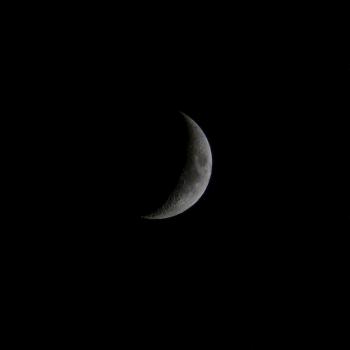
Photo by Kelly Sikkema on Unsplash
‘Piety, Power, and Pride’ are words that I have long felt important to the Four+ Gods. Behaving piously was important to me when I began this work, and the Gods and spirits Themselves have been very keen on teaching me further. Being reverent of Them, behaving respectfully in ritual space, not speaking poorly of Them…all of this is vital. Power concerns our personal power and how we use it. The Gods of the Otherfaith do not want us to give up our own power to Them, but instead we are meant to learn how to handle our own innate strengths and improve upon our flaws. And when we are actualized in such a way, holding the reins of our power, we can move forward with a true pride that is not braggadocio. We avoid an overwhelming self-hatred or false humility when we take actual pride in ourselves.
(In all honesty, rather standard ‘spiritual path’ sort of stuff.)
I wanted there to be some freedom to how the terms are interpreted, so ‘as they are known to me’ was added. Culture and our more immediate family life can impact how we view these terms. Ideally the Otherfaith will have some cohesion to how the terms are understood even with the added wiggle room.
Acting with ‘hospitality and compassion toward all’ was inspired by the Clarene, the god of commitment and sovereignty. She can be vicious toward those who cross Her or violate a boundary She has set up, but She has always tried to get into my head that compassion and kindness should be one’s first approach. When I was devising the first drafts of the vow Her presence was nearly overbearing. At least until I figured out what She wanted!
The last portion, about swearing freely, is because of the focus on consent and choice we are developing in the Otherfaith. The vow is not meant to ‘take’ if one is coerced into it.
Preparing for the Vow
Funny enough, I haven’t actually taken this vow yet. I have different private vows to the Four+ Gods that I took many years ago. They aren’t appropriate for others, however, and especially not for someone who might just want to focus on the Four+ Gods for a year or two before moving on. So instead I’ve been tinkering with the dedication ritual and contemplating the vow.
Part of the dedication ritual involves a week-long ‘fasting’ period, where the practitioner will abstain from some activity or type of food (their choice). During this period we contemplate the parts of the vow. This is partially to help us decide if we do indeed want to take the vow and to get us in the proper mindset for the ritual itself. (Again, this sort of contemplation period is pretty standard when committing to a religious or spiritual tradition, with how long one is in the contemplation/decision-making stage varying.)
Unintentionally, I’ve been mulling over the vow as I go about my daily life. This is in part regular revision-minded thoughts. How do I want to improve it? Should I add or subtract something? How should I phrase it? Should I make it more poetic?
But a larger part is checking in with myself, “Am I upholding these vows?”
Which is the point of the vow, isn’t it?
(Though the site is no longer active, I am participating in the ‘Pagan Blog Project’. The PBP encouraged writers to write throughout the year, focusing on prompts based on the letters of the alphabet. For the ‘D’ prompt, I chose ‘dedication’.)
Previous Post

February 19, 2020
Review of Rituals & Declarations (Issue 1)
Next Post

March 11, 2020 Compassion and Conflict
Browse Our Archives
Select a Category Uncategorized
Select a Month October 2021 June 2021 May 2021 April 2021 March 2021 February 2021 January 2021 December 2020 November 2020 October 2020 September 2020 July 2020 April 2020 March 2020 February 2020 January 2020 December 2019 November 2019 October 2019 May 2014 April 2014 March 2014 February 2014 January 2014 December 2013 November 2013 October 2013 September 2013 August 2013 July 2013 June 2013 May 2013 April 2013 March 2013 February 2013 January 2013
Follow Us!
TAKE THE
Religious Wisdom Quiz
What woman followed Naomi to Bethlehem and later married Boaz?
Select your answer to see how you score.
Sarah Esther Hannah Ruth
Related posts from Aine Llewellyn - Dalliances with Deities

Aine Llewellyn - Dalliances with Deities
Otherfaith Spirits: Neve Winter
Aine Llewellyn - Dalliances with Deities

Otherfaith Spirits: Aster Aira
Aine Llewellyn - Dalliances with Deities

Aine Llewellyn - Dalliances with Deities
TRENDING AT PATHEOS Pagan

I was recently chatting with someone on Instagram. She asked me what...

While there are many people who share their results, the end of...

On July 23, I saw Christopher Nolan's The Odyssey which is Homer’s...

As I write this two big events have just finished up. One...

Restoring the Watershed of Divine Love
Perhaps cooperation is not something we manufacture through legislation, ideology, or moral...

Many UUs don’t pray because of bad experiences in a previous religion,...
view all Pagan blogs
Ad-Free & Subscriber Log-In Subscription Support
- About Us
- 2026 Calendar
- Videos
- Podcasts
- Library of World Religions
- Faith In Media Tracker
- Advertise With Us
- Write for Us
- Privacy Policy
- Terms of Service
- Do Not Sell My Data
- Contact Us
- Radiant Digital
- Manage Newsletter Subscriptions
- Unsubscribe From Notifications
- Sitemap
Copyright 2008-2026, Patheos. All rights reserved.
Subscription Support Ad-Free & Subscriber Log-In
Follow Patheos