
BuddhistCatholicContemplativeEvangelicalGeneral ChristianHinduJewishLatter-day SaintMuslimNew VisionsProgressive Christian
Beliefs
- Buddhist
- Catholic
- Contemplative
- Evangelical
- General Christian
- Hindu
- Jewish
- Latter-day Saint
- More Voices
- Muslim
- New Visions
- Pagan
- Progressive Christian
Topics
- Religion News
- Food and Religion
- Sports and Religion
- Religious Art
- Religious Music and Entertainment
- Religious Events
- History and Religion
- Style and Religion
- Politics and Religion
- Women in Religion
- Recreation Outdoors and Religion
- Business Finance and Religion
- Careers Workplace and Religion
- Education and Religion
- Family Parenting and Religion
- Health Fitness and Religion
- Home and Religion
- Relationships and Religion
- Technology and Religion
- Travel and Religion
Columnists
- Buddhist Columnists
- Business Finance and Religion Columnists
- Careers Workplace and Religion Columnists
- Catholic Columnists
- Contemplative Columnists
- Education and Religion Columnists
- Evangelists Columnists
- Family Parenting and Religion Columnists
- General Christian Columnists
- Health Fitness and Religion Columnists
- Hindu Columnists
- History and Religion Columnists
- Home and Religion Columnists
- Jewish Columnists
- More Voices Columnists
- Latter Day Columnists
- Muslim Columnists
- New Visions Columnists
- Nonreligious Columnists
- Pagan Columnists
- Politics and Religion Columnists
- Progressive Columnists
- Recreation Outdoors and Religion Columnists
- Relationships and Religion Columnists
- Religion News Columnists
- Religious Art Columnists
- Religious Events Columnists
- Religious Music and Entertainment Columnists
- Sports and Religion Columnists
- Style and Religion Columnists
- Technology and Religion Columnists
- Travel and Religion Columnists
- Women in Religion Columnists
Resource Library
- 2026 Calendar
- Library of World Religions
- The 100 Most Holy Places on Earth
- Patheos Answers
- Podcasts
- Videos
- Faith Leaders Database
- Anglican Episcopalian
- Bahai
- Baptist
- Buddhism
- Christianity
- Confucianism
- Eastern Orthodoxy
- Hinduism
- Holiness and Pentecostal
- ISKCON
- Islam
- Judaism
- Lutheran
- Methodist
- The Church of Jesus Christ of Latter-day Saints
- New Age
- Paganism
- Presbytarian and Reformed
- Protestantism
- Religion Behind the Scenes
- Roman Catholic
- Scientology
- Shia Islam
- Sikhism
- Sufism
- Sunni Islam
- Taoism
- Zen
- See all religions
Research Tools
 Ad-Free & Subscriber Log-In Subscription Support
Ad-Free & Subscriber Log-In Subscription Support
Follow Patheos 

- Trending:
- Forgiveness
- |
- Marriage
- |
- Consciousness
- |
- Death Penalty
- |
- Election
- |
- Halloween

- Home
- Evangelical
- SERMON – The Reviving Power of God’s Word
SERMON – The Reviving Power of God’s Word
Last updated on: February 22, 2023 at 6:23 am by Adrian Warnock
SERMON – The Reviving Power of God’s Word 2023-02-22T06:23:03+00:00 Adrian Warnock
Patheos Explore the world's faith through different perspectives on religion and spirituality! Patheos has the views of the prevalent religions and spiritualities of the world.
The following is a full set of notes, including background information and quotes I used whilst preparing my sermon entitled, “The Reviving Power of God’s Word,” which was preached at Jubilee Church on the 11th of March 2006. This sermon was the third part of a series on Revival. The earlier messages, “Revival” and “Reviving Prayer” are also available.
Much of this material was never designed to form part of the sermon — instead it is, if you like, part of the “iceberg” that lies beneath the surface supporting what I actually said. You can download the audio (you may need to right click and save the file onto your PC) or listen right here using the following embedded player:
INTRODUCTION
There is a series of adverts on TV that arrests me every time I see them. You see someone crying, hugging a loved one. Your heart goes out to them, even before you begin to hear the words of the commentary.  But then the commentary starts, and if you are a big softie like me, you feel like you are about to cry — even if you have seen it before. The person says “when I was diagnosed with cancer . . .” For the first few seconds you hear about the terrible impact those words had on the individual. You can picture them in the doctor’s room. Then, the voice says, “Today I was told I have my life back.” You suddenly realize that the person is crying for joy, not anguish, and in their tears a smile appears. You see the impact that a single sentence from a doctor can have.
We sometimes talk about “MERE words,” and yet SOME words mean everything — they can literally bring life and death. Words are powerful. They can steal away hope, and they can give it back again.
Words affect us all the time.
If our words can feel like they take away life and give it back again, is it any wonder that God’s Words can do the same? It’s no wonder that Ravi Zacharias made the astute observation: “In the beginning was the Word, not video.”
I love the following quote: “. . . in OT times the word was regarded as being alive, and so was portrayed as being sent out of the heart (mind/brain/mouth) of a living person, to leap to the goal at which it was directed. Then, when it arrived, it did the work of the speaker who had sent it forth, for it conveyed the power of the speaker to change the heart or the mind of the hearer of the word.” [1]
We as Christians are a people who value words, although we live in a world that values image. Last week,at our joint celebration,we heard about how the image of God is actually described as the Word of God. It is hard to think of a stronger way that God could express Hs high view of “words” than that. The Bible — so-called “mere words” written down on a page — is what God has left us by which to know Him. The Bible is not God — we don’t worship it. But, as we read it, as we listen to it, the God of the Bible leaps off the page at us. These words shape us. They can save us. They teach us how to live, but more than that, they give us life.
 Today we are going to look at God’s reviving Word. In revivals, a hunger for God’s Word returns. Sermons often become longer — sometimes lasting all day! (As an example of this, see Nehemiah 8 and 9). People cannot hear enough of God’s Word. Amazing things happen to people as they hear and read God’s Word during revivals. I could tell you story after story — but I won’t.
If we have learnt anything as we have been studying how God revives us, it is this — what is true of the multitude in a revival can be true of you and I, even outside of a revival. I am convinced that God wants us as a people to become more and more aware of just how God’s Word can revive us and help us become the people of faith we are convinced He wants us to be.
What does the Bible say about words, and God’s Word in particular? Those of you who have been with us for awhile may remember that during the series we preached on Proverbs there was a message on Proverbs 18:21 which says, “Death and life are in the power of the tongue.”
It is no wonder that the Apostles declared, “We will devote ourselves to prayer and to the ministry of the word.” (Acts 6:4)
If there is one place in the Bible that honours God’s Word more than anywhere else, it is Psalm 119. It is the longest chapter in the Bible and it comes just two psalms after the shortest chapter in the Bible — Psalm 117 — which just so happens to be the middle chapter of the Bible. You will find it somewhere in the middle of your Bible.
BACKGROUND ON PSALM 119
- “of David” — a man who loved God “after God’s own heart.”
-
He loved God’s law because it was God’s Word. He loved God’s Word because it showed him his God.
-
For him, the Word of God was almost exclusively the law, and presumably Judges, Ruth, and maybe Job.
-
If he can love these bits of the Bible that are only beginning to reveal God, we should love it all, since progressive revelation means that more comes later.
-
An acrostic poem — “It consists of twenty-two strophes of eight lines each. Each strophe has the same Hebrew letter at the beginning of every one of its eight lines, going in succession, by strophes, from alef, the first letter of the Hebrew alphabet, as the first letter of each line in the first strophe, to taw, the last letter of the Hebrew alphabet, as the first letter of each line in the last strophe.” [2]
-
Eight different Hebrew words are used to speak of the Law . . . The following Hebrew words are used: (1) torah (see “law” and comments, 1.2); (2) ‘eduth (see “testimony” and comments, 19.7c); (3) mishpat (see “judgment,” 7.6); (4) mitswah, always in the plural, except in verses 96, 98 (see “commandment,” 19.8c); (5) choq, always in the plural (see “decree” and comments, 2.7; “statutes,” 18.22); (6) piqudim, a plural form (see “precepts,” 19.8a); (7) dabar; (8) ’imrah (see “promises,” 12.6; 18.30). Torah is always singular and means the whole law of God, the Mosaic Law; dabar and ’imrah mean “word, saying,” and sometimes have the specific meaning of “promise.” The other words refer to rules or commands or instructions . . . All of these eight words are synonyms; they all refer to God’s Law as contained in the Mosaic legislation recorded in the first five books of the Scriptures. The Law is not seen as having a human origin, but always a divine origin; Yahweh is the author of the Torah. It should be noticed that in every one of the 176 verses in this psalm, God is either addressed or referred to.” [3]
-
The Psalm in some way reminds me of the Proverbs, because it does not flow well — it is almost a collection of random words or sayings about God’s Word.
-
 WESLEY — “. . . the word of God is here called by the names of law, statutes, precepts or commandments, judgments, ordinances, righteousness, testimonies, way and word. By which variety, he designed to express the nature and perfection of God’s word. It is called his word, as revealed by him to us; his way, as prescribed by him for us to walk in; his law, as binding us to obedience; his statutes, as declaring his authority of giving us laws; his precepts as directing our duty; his ordinances, as ordained by him; his righteousness, as exactly agreeable to God’s righteous nature and will; his judgments, as proceeding from the great judge of the world, and being his judicial sentence to which all men must submit; and his testimonies, as it contains the witness of God’s will, and of man’s duty.” [4]
 -
SPURGEON – “I have been bewildered in the expanse of the One Hundred and Nineteenth Psalm . . . Its dimensions and its depth alike overcame me.
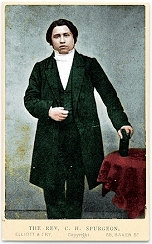 It spread itself out before me like a vast, rolling prairie, to which I could see no bound, and this alone created a feeling of dismay. Its expanse was unbroken by a bluff or headland, and hence it threatened a monotonous task, although the fear has not been realized. This marvellous poem seemed to me a great sea of holy teaching, moving, in its many verses, wave upon wave; altogether without an island of special and remarkable statement to break it up. I confess I hesitated to launch upon it. Other psalms have been mere lakes, but this is the main ocean. It is a continent of sacred thought, every inch of which is fertile as the garden of the Lord: it is an amazing level of abundance, a mighty stretch of harvest fields. I have now crossed the great plain for myself, but not without persevering, and, I will add, pleasurable, toil. Several great authors have traversed this region and left their tracks behind them, and so far the journey has been all the easier for me; but yet to me and to my helpers it has been no mean feat of patient authorship and research. This great Psalm is a book in itself: instead of being one among many psalms, it is worthy to be set forth by itself as a poem of surpassing excellence. Those who have never studied it may pronounce it commonplace, and complain of its repetitions; but to the thoughtful student it is like the great deep, full, so as never to be measured; and varied, so as never to weary the eye. Its depth is as great as its length; it is mystery, not set forth as mystery, but concealed beneath the simplest statements; may I say that it is experience allowed to prattle, to preach, to praise, and to pray like a child prophet in his own father’s house? [5]
 -
EULOGIUM — “This Psalm is a prolonged meditation upon the excellence of the word of God, upon its effects, and the strength and happiness which it gives to a man in every position. These reflections are interspersed with petitions, in which the Psalmist, deeply feeling his natural infirmity, implores the help of God for assistance to walk in the way mapped out for him in the divine oracles. In order to be able to understand and to enjoy this remarkable Psalm, and that we may not be repelled by its length and by its repetitions, we must have had, in some measure at least, the same experiences as its author, and, like him, have learned to love and practise the sacred word. Moreover, this Psalm is in some sort a touchstone for the spiritual life of those who read it. [6]
-
BARCLAY says of this word “Law”: “We must be clear, however, what the word law means in the original Hebrew. We have met it in earlier psalms where we found that it is the word Torah. We found that this word does not mean “law” in the classical Roman sense of lex which has formed the basis of our western legal system. Torah actually means “teaching”, so that it means teaching that has come out of the mouth of the Living God. When the disciple hears the words of his master’s teaching, he receives through it a revelation of what is in the mind of his teacher, and so here, of what is in the mind of God. Torah then means both teaching and revelation, in fact, both these at once—from God!” [7]
-
ON THE LAW
Although Psalm 119 is really about God’s Word in its widest sense, perhaps partly because so much of the Bible that David would have read would have been the law of Moses, he speaks many times about God’s law. David loves God’s law. This is a very different attitude to what we tend to have. So I cannot avoid giving a very brief introduction here to our view of the law. This is not a sermon about that — one day perhaps we will address this more fully — I did address some of this more in my talks on Galatians last year. But just to help us as we approach this psalm, let’s look at how we should view the law.- Our Attitude Toward the Law
-
- We ten
d to rebel whenever we hear rules — e.g. “Don’t walk on the grass.” Law teaches us what sin is, and unless empowered by the Spirit, actually provokes us to sin more whilst making us feel condemned. - According to Paul, the law exists to lead us to Christ — to make us feel helpless so that we will seek Him for the free gift of salvation which is not dependent on what we have done, but what Christ has done.
- Those who are Christians tend to say, “We are not under law, but under grace.”
- Sadly many go one step further and do not want to read the law, nor do they value it as part of God’s Word for us today.
- We ten
-
Jesus’ Attitude Toward the Law
-
-
- Is very different to the over-simplified view many of us have today. Listen to what He said:
- “Scripture cannot be broken.” (John 10:35)
- “For truly, I say to you, until heaven and earth pass away, not an iota, not a dot, will pass from the Law until all is accomplished.” (Matthew 5:18)
-
-
The Solution
-
- God does want us to live righteously, and so the law does have a role for us.
- We are to see the law as revealing God’s character and making us fall in love with Him — actually much like David does in this psalm.
- As we fall in love with Jesus, our hearts change and we WANT to keep His commandments.
- Paul calls this the “obedience of faith” (Romans 1:5)
- Tim Keller puts it this way: “Religion is — I obey so I can be accepted. The gospel is — I am accepted so I can obey.”
So, with that bit of introduction over, let’s get into our text — Psalm 119. I think that, on the basis of that introduction, for our purposes in our studies we can replace the word “law” for the word “word” whenever we want to. The psalmist speaks about the law and word interchangeably because that was all he knew of God’s Word at that point. If the law was all David knew and he could say all these things about it, how much more should we be able to say the same things of the whole counsel of God, including the law that David knew? So let’s turn to Psalm 119.
You will be pleased to know that I am not going to read the whole psalm today, but I would encourage you, in your own time, to read it over several times.
We are going to pick out a number of verses from this psalm today which speak of the effects of God’s reviving word. What exactly does God’s Word do for us when we read and listen to it?
-
THE WORD OF GOD BRINGS REVELATION
“Open my eyes, that I may behold wondrous things out of your law.” (Psalm 119:18)
The psalmist prays to God — and you will notice how much of this psalm is a prayer, if you like a prayer about God’s Word — he asks God to reveal Himself to him in His Word. He says something similar in verse 105: “Your word is a lamp to my feet and a light to my path.”
The last time I spoke, I mentioned that the Bible is clear that we are blind and cannot even see God without His help. We need God to shine into our hearts. Like the writer of that great hymn, “Amazing Grace,” the Christian is aware that “I once was blind, but now I see.”
“For God, who said, ‘Let light shine out of darkness,’ has shone in our hearts to give the light of the knowledge of the glory of God in the face of Jesus Christ.” (2 Corinthians 4:6)
We don’t see the face of Jesus today — how do we see Him? It’s in the Scriptures — that is the place for us to meet God! As we read and pray over the Words of this book, let the God of the Bible leap off the page at us!
Notice that the revelation is about Jesus — Jesus makes this astonishing claim Himself.
- “You search the Scriptures because you think that in them you have eternal life; and it is they that bear witness about me.” (John 5:39)
Through the Scriptures, we are meant to hear God’s voice. Jesus says this — “My sheep hear my voice, and I know them, and they follow me” (John 10:27) He means both spiritual guidance and the Bible — we hear His voice in the Bible. As we read the law, even then we see Jesus. He is revealed. The whole book is about Him.
This experience of looking to Jesus, of revelation, is not a once-for-all experience. I am sure we can all think of moments when either listening to a sermon or reading from the Bible, it is like a light gets switched on in our heads – “I see it now”
But as we begin to see Jesus there is something else that happens. Remember that God is a reviving God, as we have been saying. So is it any wonder that as we read God’s Word, it revives us? Let’s see what our next verse has to say.
QUOTES
-
-
Chicago Statement — “God who is himself truth and speaks only truth has inspired Holy Scripture (HS) in order thereby to reveal himself…”
-
“Insight into the meaning of God’s law depends not only on prolonged study and meditation; it depends also on God’s guidance. So the psalmist prays, Open my eyes; only in this way can he discover the wonderful truths, or teachings, in the Law. It is God who will enable him to appreciate and understand the Law.” [8]
-
“The word of God is central to the life of God’s people. Our God is a God who speaks and it is the possession of that verbal revelation which marks his people off from all others on earth”. [9]
-
Wesley — “Enlighten my mind by the light of thy Holy Spirit, and dispel all ignorance and error.” [10]
-
Boston:
1. “That there can be no sufficient knowledge of the duty wh
ich we owe to God without the scriptures. Though the light of nature does in some measure show our duty to God, yet it is too dim to take up the will of God sufficiently in order to salvation.
2. That there can be no right obedience yielded to God without them. Men that walk in the dark must needs stumble; and the works that are wrought in the dark will never abide the light; for there is no working rightly by guess in this matter. All proper obedience to God must be learned from the scriptures.
3. That there is no point of duty that we are called to, but what the scripture teaches, Isaiah. 8:20; men must neither make duties to themselves, or others, but what God has made duty. The law of God is exceeding broad, and reaches the whole conversation of man, outward and inward, Psalms 19; and man is bound to conform himself to it alone as the rule of his duty.” [11]
-
Boston — “The scriptures teach but externally. It is the Spirit that teaches internally. The scriptures externally reveal what we are to believe concerning God, and what duty God requires of man; but the inward illumination of the Spirit of God is necessary for the saving understanding of such things as are revealed in the scriptures.”[12]
-
 William Cowper — “If it be asked, seeing David was a regenerate man, and so illumined already, how is it that he prays for the opening of his eyes? The answer is easy: that our regeneration is wrought by degrees. The beginnings of light in his mind made him long for more; for no man can account of sense, but he who hath it. The light which he had caused him to see his own darkness; and therefore, feeling his wants, he sought to have them supplied by the Lord.” [13]
 -
Spurgeon — “The light which they beg is not anything besides the word. When God is said to enlighten us, it is not that we should expect new revelations, but that we may see the wonders in his word, or get a clear sight of what is already revealed.” [14]
-
“The natural person does not accept the things of the Spirit of God, for they are folly to him, and he is not able to understand them because they are spiritually discerned.” (1 Corinthians 2:14)
-
-
GOD’S WORD REVIVES US
Verse 25 —
“My soul clings to the dust; give me life according to your word!”
As we recognize our desperate state before a holy God, as we get to the end of ourselves, God in His grace comes to us by His Word and says “LIVE!” Again this is definitely referring to what happens when we become Christians — but it is also an ongoing experience of the Christian who immerses himself in the Word of God with prayer. There are a few other places in the Bible where this is also stated:
- “The law of the Lord is perfect, reviving the soul.” (Psalm 19:7).
- “Man shall not live by bread alone, but by every word that comes from the mouth of God.” (Matthew 4:4, Deuteronomy 8:3)
- “For the word of God is living and active, sharper than any two-edged sword, piercing to the division of soul and of spirit, of joints and of marrow, and discerning the thoughts and intentions of the heart.” (Hebrews 4:12)
We who are privileged to have a complete Bible in front of us should, like David, be always able to find a verse that will sustain us and give us that feeling of a life renewed when we are feeling low. If you are low in energy and life this morning, what do I have to offer you? I can give you a pat on the shoulder and some well-meaning words of support, or I can give you a lifeline from this Book. I know which I prefer!
This life-giving force of the Bible is also described in a slightly different way in verse 28.
QUOTES
“Now we reach the key-word of the whole long psalm. It is the word live. Our biological life is a gift from God. We do not create it ourselves. The Torah, however, uses this word quite differently from Plato and the Greeks. For the Torah, God is the Living God. This Living God offers his children his life, and that is not mere biological life. “It is life in the Spirit, to which physical death has nothing to say.” [15]Spurgeon — “When there was so little Scripture written, yet David could find out a word for his support. Alas! in our troubles and afflictions, no promise comes to mind. As in outward things, many that have less live better than those that have abundance; so here, now Scripture is so large, we are less diligent, and therefore, though we have so many promises, we are apt to faint, we have not a word to bear us up.” [16]
-
- GOD’S WORD STRENGTHENS US
Verse 28 — “My soul melts away for sorrow; strengthen me according to your word.”
God’s Word really is robust and strong enough for us to lean on it when we are feeling weak and depressed. I knew someone who suffered from depression who quite literally used to take God’s Word as though it were medicine three times a day. Over time she was strengthened and eventually did not require medication any more. Now, of course, depression can sometimes be biological, and that is not to say that antidepressants do not sometimes have their place. But, there is no doubt that God’s Word, if you let it shape you over years, will go a long way towards strengthening you and lifting you up.
As I was preparing, I felt God drop into my heart that there were some here who have struggled with depression and feel that there is nothing you can do. You feel a failure. Well, I want to tell you that even great men of God like Elijah, and in modern history Spurgeon, suffered from depression, so you are not alone. But God would say to you today, there is something that you can do in addition to taking medication, if that is needed. You can feast yourself on God’s reviving and strengthening Word. It may take years — don’t expect a quick fix — but consistent exposure to God’s Word will help you — come and talk to us afterwards if this is you, and
we would love to give you some ideas about which verses would be especially helpful for you to add to your daily medication list.There is another thought that came to me as I was studying these few words. For God’s Word to strengthen us reliably it has to be trustworthy and reliable — imagine, if you will, someone who says, “I will cover you” to Jack Bauer and then doesn’t — some today who believe the Bible has errors in it — we addressed this in our Bible study — but I want you to know this is God’s Word. If God doesn’t lie, then neither can His Word!
- “The sum of your word is truth, and every one of your righteous rules endures forever.” (Psalm 119:160)
- “Every word of God proves true; he is a shield to those who take refuge in him. Do not add to his words, lest he rebuke you and you be found a liar.” (Proverbs 3:5-6)
It is important that we fill our minds with God’s truth and not lies. That we focus on righteousness and not sin. That we — as Paul puts it — fill our minds with what is pure. In fact, as we read the Word, it begins to do something to us so that our appetites and desires change. The Word changes us, as we shall see in verse 37.
QUOTES
Berkouwer —”There can be no doubt that for a long time during church history certainty of faith was specifically linked to the trustworthiness of Holy Scripture as the Word of God … From its earliest days the church held that Scripture is not an imperfect, humanly untrustworthy book of various religious experiences, but one with a peculiar mystery” [17]
-
GOD’S WORD CHANGES US
Verse 37 — “Turn my eyes from looking at worthless things; and give me life in your ways.”
It is interesting that it is mentioned here that God changes our eyes from looking on and valuing things we shouldn’t, and that it is “according to his ways” or words. But, we cannot ask God to do something like this for us and then do nothing about it ourselves! Job puts it this way: “I have made a covenant with my eyes; how then could I gaze at a virgin?” (Job 31:1)
Paul says: “Finally, brothers, whatever is true, whatever is honorable, whatever is just, whatever is pure, whatever is lovely, whatever is commendable, if there is any excellence, if there is anything worthy of praise, think about these things.” (Philippians 4:8).
This amazing change that happens on the inside of us — from desiring to look at sinful things and then commit sin, to desiring to do good — is called repentance in the New Testament. But it comes from the Word of God – it is God’s message that has the power to change us from sinners to saints.
-
-
- “For I am not ashamed of the gospel, for it is the power of God for salvation to everyone who believes, to the Jew first and also to the Greek.” (Romans 1:16)
-
Repentance is a gift from God — you may remember that verse in Elijah’s prayer that said it is God that turns us around. There are many others who say the same thing. And yet one of the paradoxes is that God also commands us to repent and “choose life.” The book of Acts, for example, is clear in its instructions to anyone listening who is not a Christian — you are COMMANDED to repent. Our problem is that we are commanded to do the impossible. This is why becoming a Christian is about coming to the end of yourself and asking God to help you. For those of us who are Christians, as we seek the face of God in prayer and in His word, there is a glorious promise for us.
-
-
- “And we all, with unveiled face, beholding the glory of the Lord, are being transformed into the same image from one degree of glory to another. For this comes from the Lord who is the Spirit” (1 Corinthians 3:18)
-
Seeking the face of God is a familiar theme in the Scriptures. We become what we eat. We become what we gaze on. Are you feasting on Jesus? As we think about seeing God’s very face, as we learn more about God’s holy character in the Bible, there is something else that should happen to us. Something that perhaps we don’t like to talk about so much, but it is something that is very much a hallmark of every revival I have read about. Let’s see what this is by reading verse 38:
QUOTE
Wolfgang Musculus — Notice that he does not say, I will turn away mine eyes; but, “Turn away mine eyes.” This shows that it is not possible for us sufficiently to keep our by our own caution and diligence; but there must be divine keeping.” [18] -
-
GOD’S WORD PRODUCES A HEALTHY FEAR OF GOD****Verse 38
- —
“Confirm to your servant your promise, that you may be feared.”
We like the first half of this verse. We want God to fulfill His promises to us. There is great joy in seeing God’s promises fulfilled — in seeing God act. But it also has what may seem to us to be a surprising result. Like Peter, who fell at Jesus’ feet and said, “Away from me for I am a sinful man,” the activity of God reintroduces us to the very biblical concept of the fear of God.
- ” … this is the one to whom I will look: he who is humble and contrite in spirit, and trembles at my word …” (Isaiah 66:1)
The thing that marks out historical revivals more than almost anything else is an outbreak of the fear of God. Even in my own experience of a mini-revival, there was something of a sense of the holiness of God which I have rarely experienced before or since.
 We see this in the Bible — last time I preached, I mentioned the case of Ananias and Sapphira. We pray “God, send us the experience of the book of Acts,” but do we include that experience? Not surprisingly, when they died it is said that great fear fell on the Church. There is a seriousness of God that is felt at those times. C.J. Mahaney once preached a whole series on everyone God killed in the Bible. Not surprisingly, perhaps it led to more salvation than they had seen up until that point, as well as Christians putting their lives straight.
There is much joy in revivals experienced by the newly-saved and the long-time Christian, but there is also many tears experienced by those coming under conviction of sin who have not yet received salvation.
Isaiah 6 is a good illustration of this. Isaiah comes face-to-face with God and says, “Woe is me! For I am lost; for I am a man of unclean lips, and I dwell in the midst of a people of unclean lips; for my eyes have seen the King, the Lord of hosts!”
God is still the same God today and is definitely not to be messed with!
God touches Isaiah’s lips to take away his guilt — only God can deal with guilt — and commissions him. Sadly for Isaiah, incidentally, he is commissioned into a period of time that was precisely the opposite of a generalized revival. He gets personally revived and is sent out to tell others who, he has been warned, will not listen. He must have really struggled with that. Somehow, though, even for Isaiah, God intended him to be full of hope.
We see in verse 49 that hope is one of the outcomes of allowing God’s Word to come to us and joining it with our faith.
QUOTES
“The fear of God is distinct from the terror of him that is also a biblical motif (see FEAR). Encompassing and building on attitudes of awe and reverence, it is the proper and elemental response of a person to God. This religious fear of God is a major biblical image for the believer’s faith. In fact, there are well over a hundred references to the fear of God in the positive sense of faith and obedience. To “fear” God or be “God-fearing” is a stock biblical image for being a follower of God, sometimes in implied contrast to those who do not fear him. The very frequency of the references signals that the fear of God is central to biblical faith, and the relative absence of this ancient way of thinking in our culture should give us pause. It is important to note, however, that the preponderance of references occur in the OT, perhaps implying that a permanent change (though not an abrogation) occurred with the incarnation of Christ, who calls his disciples friends rather than servants (John 15:15).
What images should we associate with this mysterious “fear of God?” The actions most frequently associated with fear of God are serving God (Deuteronomy 6:13, 10:20; 1 Samuel 12:24) and obedience to his commandments (Deuteronomy 31:13; 1 Samuel 12:14). The fear of God is linked to wisdom (Psalm 111:10; Proverbs 9:10, 15:33) and is part of the covenant between God and his people (Psalm 25:14, 103:17–18). To fear God is to be in awe and reverence of him (Ps 33:8; Malachi 2:5 RSV) and to trust him (Psalm 40:3, 115:11). Fearing God means hating and avoiding evil (Proverbs 8:13, 16:6). It is not too much to say that fearing God is virtually synonymous with having saving faith in him. Deuteronomy 10:12–13 is an apt summary of what is encompassed in the fear of God: “And now, O Israel, what does the Lord your God ask of you but to fear the Lord your God, to walk in all his ways, to love him, to serve the Lord your God with all your heart and with all your soul, and to observe the Lord’s commands and decrees” (NIV).
The fear of God is a fundamental quality of those who have an experiential knowledge of who he is.” [19]
-
GOD’S WORD GIVES US HOPE
Verse 49 — “Remember your word to your servant, in which you have made me
hope.”
- See also verse 74 — “Those who fear you shall see me and rejoice, because I have hoped in your word.”
- And verse 81 — “My soul longs for your salvation; I hope in your word.”
- So faith comes from hearing, and hearing through the word of Christ.” (Romans 10:17)
Hope is infectious . . . as is despair. We should surround ourselves with those who will instill hope into us! But our hope must come from the Scriptures and not a false whipped-up hope.
I can speak personally about how this works. As I was a bit tired out before Christmas, I asked Tope for a break from preaching for awhile. This was a good thing as everyone needs a break from time to time. But I lifted my foot off the accelerator a bit regarding my study of God’s Word, and was also not praying as much — obviously when you are preparing to preach you study more and pray more. But what I found was that as my break from the hard work of preaching lengthened, my level of hope was slowly being reduced. I found myself feeling even quite fearful. I remember even having the thought come into my mind, “Perhaps I’ve forgotten how to preach.” But there were also a couple of personal situations where I was beginning to allow fear to have a foothold.
So, how did I deal with this? Well, two things seem to have lifted me. The first was that I received prayer on Saturday morning. The second was that as I went back to a more rigorous Bible study program and begun to pray more, I found that hope began to return and fear subsided.
It is God’s Word, soaked in prayer, that gives us hope, that lifts us, that gives us life!
God wants us increasingly to be almost aggressive in how much we place our hope in His Word. Many prayers in the Bible remind God of His promises and almost “sue” him to act. I believe God responds to that kind of prayer — prayer that is mixed with God’s own Word.
So far we have seen that God’s Word brings revelation, it revives us, it strengthens us, it changes us, as the great hymn says “it teaches our heart to fear,” but it also relieves that fear. Is it any wonder that this Word is so precious to the psalmist? What else is there that can do all this to us when we are troubled? What else can comfort us in all our troubles as we see in verse 50?
QUOTES
Spurgeon — “The argument is that God, having given grace to hope in the promise, would surely never disappoint that hope. He cannot have caused us to hope without cause. If we hope upon his word we have a sure basis: our gracious Lord would never mock us by exciting false hopes. Hope deferred maketh the heart sick, hence the petition for immediate remembrance of the cheering word.” [20]

Richard Sibbes — “When we hear any promise in the word of God, let us turn it into a prayer. God’s promises are his bonds. Sue him on his bond. He loves that we should wrestle with him by his promises. Why, Lord, thou hast made this and that promise, thou canst not deny thyself, thou canst not deny thine own truth; thou canst not cease to be God, and thou canst as well cease to be God, as deny thy promise, that is thyself. ‘Lord, remember thy word’ ‘I put thee in mind of thy promise, whereon thou hast caused me to hope.’ If I be deceived, thou hast deceived me. Thou hast made these promises, and caused me to trust in thee, and ‘thou never fullest those that trust in thee, therefore keep thy word to me.'” [21]
-
GOD’S WORD COMFORTS US
Verse 50 —
“This is my comfort in my affliction, that your promise gives me life.”
What a wonderful verse that is! God comforts us when we are struggling because of His promises. When Mark Dever was trying to summarise the entire message of the Bible, he just said this — the Old Testament is “promises made” and the New Testament is “promises kept,” although, of course, we have plenty of promises kept in the Old Testament and made in the New Testament! We should get a hold of God’s promises and let them comfort us, revive us, strengthen us, and give us hope.
God’s Word really is a comfort — not the latest gadget, nor the bottle, but His faithful Word. The more we see Him being faithful to His Word, the more we will find our faith rising within us. There are now only two more things that I want to address that the Word of God does for us. The first is, in a sense, a summary of all we have said so far. What does God’s Word do? It gives us grace. Verse 58.
QUOTES
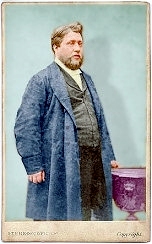 Spurgeon — “The worldly man clutches his money bag and says, “this is my comfort”; the spendthrift points to his gaiety, and shouts, “this is my comfort”; the drunkard lifts his glass, and sings, “this is my comfort”; but the man whose hope comes from God feels the giving power of the Word of the Lord, and he testifies, “this is my comfort.” Paul said, “I know whom I have believed.” Comfort is desirable at all times; but comfort in affliction is like a lamp in a dark place. Some are unable to find comfort at such times; but it is not so with believers, their Savior has said to them, “I will not leave you comfortless.” [22]
“What the Word has already done is to faith a pledge of what it shall yet do.” [23]
-
GOD’S WORD GIVES GRACE TO US
Verse 58 —
“I entreat your favor with all my heart; be gracious to me according to your promise.”
GRACE is what we need to save us — so it is no wonder that Paul said to Timothy that the Scriptures are “… able to make you wise for salvation through faith in Christ Jesus.” (2 Timothy 3:15)
It is interesting to see the way that Paul links wisdom and salvation there, for the last thing that I want us to address today from Psalm 119 is, in fact, wisdom. Or as the psalmist says, “good judgment” or discernment (verse 66).
-
-
GOD’S WORD GIVES US WISDOM
Verse 66 —
**“Teach me good judgment and knowledge, for I believe in your commandments.”**Is it any wonder that the Jubilee membership course says the following:
The BIBLE is the WORD OF GOD
-
The sole basis of our belief is the BIBLE. We believe that all Scripture is inspired by God and that it was given through men chosen by God.
-
We believe that the Bible, all sixty-six books, contain God’s revelation to man, and that the Scriptures are infallible and inerrant.
-
We therefore take all our teaching and insight for living from the Bible.”
-
-
- —
-
Jubilee Church Membership Course
-
“We don’t stand above the Bible, we stand under it.”
-
-
-
-
- —
-
-
-
Tope Koleoso
-
-
Next time I speak to you, God willing, I intend to speak about how practically we stand under the Bible. I will leave you today with one verse that summarises what our response to all this should be:
- “They received the word with all eagerness, examining the Scriptures daily to see if these things were so.” (Acts 17:11)
Let’s receive this reviving Word with all eagerness, and in every way, allow ourselves to be moulded by this wonderful Book God has given us. It’s the only Book that can give life, can save us, can show us how to live. It really is God’s reviving Word. AMEN.
________________
END NOTES
OT=Old Testament
[1] George Angus Fulton Knight, Psalms: Volume 2 (The Daily Study Bible Series, Louisville: Westminster, John Knox Press, 2001, c1982), p.223.
[2] Robert G. Bratcher and William David Reyburn, A Translator’s Handbook on the Book of Psalms (Helps for Translators,New York: United Bible Societies, 1991), p.996.
[3] Ibid.
[4] John Wesley, John Wesley’s Notes One the Bible, Ps 119.
[5] C. H. Spurgeon, Treasury of David, Ps 119:1.
[6] Cited in C. H. Spurgeon, Treasury of David, Ps 119:1.
[7] George Angus Fulton Knight, Psalms: Volume 2 (The Daily Study Bible Series,Louisville: Westminster, John Knox Press, 2001, c1982), p.215.
[8] Robert G. Bratcher and William David Reyburn, A Translator’s Handbook on the Book of Psalms (Helps for Translators, New York: United Bible Societies, 1991), p.1002.
[9] D. A. Carson, New Bible Commentary: 21st Century Edition (Revised edition of: The New Bible Commentary, 3rd ed. / edited by D. Guthrie, J. A. Motyer. 1970; 4th ed.; Leicester, England; Downers Grove, Illinois, USA: Inter-Varsity Press, 1994), Ps 118:24.
[10] John Wesley, John Wesley’s Notes On the Bible, Ps 119:18.
[11] Thomas Boston, Thomas Boston Sermons (Joseph Kreifels).
[12] Ibid.
[13] Cited in C. H. Spurgeon, Treasury of David, Ps 119:18.
[14] C. H. Spurgeon, Treasury of David, Ps 119:18.
[15] George Angus Fulton Knight, Psalms: Volume 2 (The Daily Study Bible Series, Louisville: Westminster, John Knox Press, 2001, c1982), p.226.
[16] C. H. Spurgeon, Treasury of David (Joseph Kreifels), Ps 119:25.
[17] G. C. Berkouwer, Holy Scripture (Translation of De Heilige Schrift; ed. Jack Bartlett Rogers; Grand Rapids: W. B. Eerdmans Publishing. Co., 1975), p.11.
[18] Cited in C. H. Spurgeon, Treasury of David, Ps 119:37.
OT=Old Testament
RSV=Revised Standard Version
NIV=New International Version
[19] Leland Ryken et al., D
ictionary of Biblical Imagery (Electronic edition; Downers Grove, Illinois: InterVarsity Press, 2000, c1998), p.277.
[20] C. H. Spurgeon, Treasury of David, Ps 119:49.
[21] Cited in C. H. Spurgeon, Treasury of David, Ps 119:49.
[22] C. H. Spurgeon, Treasury of David, (Joseph Kreifels), Ps 119:50
[23] Robert Jamieson et al., A Commentary, Critical and Explanatory, on the Old and New Testaments (On spine: Critical and Explanatory Commentary; Oak Harbor, Washington: Logos Research Systems, Inc., 1997), Ps 119:50.
Previous Post

March 14, 2007
Spurgeon and Millennial Mud Slinging
Next Post
March 16, 2007 TECH Assistance - Scripturizer Pop-Up Broken
Recent Comments
Browse Our Archives
Select a Category 1 and 2 Corinthians 1 and 2 Thessalonians 1 and 2 Timothy 1 John 300 Leaders A Life of Joy Abortion Acts of the Apostles Adrian on radio Adrian on TV Adrian's Story Albert Mohler Amazing Grace Arminocalvinist Spectrum Assurance Atonement Atonement Series Attributes of God Barnabas Best of the Blog Bible Bible Software Bible Translation Biblical Inerrancy Billy Graham Bob Roberts Books C. J. Mahaney Calvinism Cessationism Charis Warnock Charismatic Spectrum Charles Simeon Charles Spurgeon Church Leadership Colossians Complementarian - Egalitarian Spectrum Complementarianism Conferences Culture Daniel Debates Deuteronomy DGM08 DGM13 Discernment Doctrine Don Carson Ed Stetzer Eddy Leo Ephesians ESV Bible Translators Interview Evangelism in a Post-Christian World evolution Exodus Expository Preaching Ezekial Faith and Feelings Family Florida Galatians General Genesis Get Wisdom - Proverbs sermons Gifts of The Holy Spirit Gifts of the Holy Spirit 2006 Global Faith Forum Godly Attitudes Gospel Gospels Grace Greg Haslam Grudem vs Piper: The Baptism Debate Healing Heaven Hell and Rob Bell Hebrews Henry Tyler Henry Warnock Holy Spirit Holy Spirit Baptism Hope Reborn Hugh Palmer Irresistable Grace Isaiah J. I. Packer Jack Hayford Joel Joel Warnock John John Lanferman John MacArthur John Newton John Owen John Piper John Smyth Jonathan Edwards Josh Harris Justification Justin Taylor Kenneth Ulmer Leadership Leadership Lessons from 1 & 2 Samuel Lex Loizides Liam Goligher Lig Duncan Limited Atonement Lou Fellingham Mark Dever Mark Driscoll Martyn Lloyd-Jones Matt Chandler Mental Health Missionary Methods: St Paul’s or Ours? My Story N. T. Wright Nehemiah NWA08 NWA09 NWA10 Opinion OT History Books Pentateuch Personal Personal Revival Philippians PJ Smyth Podcast Politics Preaching Prophecy Proverbs Psalms Raised With Christ Reformed Charismatic Regeneration Relationships Resurrection Resurrection & Salvation Revival Rice Broocks Rich Man and Lazarus Rick Warren Rob Rufus Roland Allen Romans Sam Storms Sanctification Series Sermons Sermons on Philippians Serving Jesus at Work Sexuality Sin St Paul Steve Chalke Strange Fire Suffering T4G T4G Statement TAB09 Tamasin Warnock Teamwork Terry Virgo The Atonement Debate - Chalke book The Soulwinner The Spirit-Filled Church The Traitor Within Theologcial Spectrums Theosis Tim Challies Tim Keller Titus TOAM06 TOAM07 TOAM08 TOAM09 TOAM10 TOAM11 Todd Bentley Tope Koleoso Total Depravity Video Water Baptism Wayne Grudem Worship
Select a Month October 2026 September 2026 August 2026 July 2026 June 2026 May 2026 April 2026 March 2026 February 2026 January 2026 December 2025 November 2025 October 2025 September 2025 May 2025 April 2025 January 2025 November 2024 October 2024 August 2024 July 2024 June 2024 May 2024 April 2024 March 2024 February 2024 January 2024 December 2023 August 2023 May 2023 April 2023 February 2023 October 2022 September 2022 August 2022 July 2022 June 2022 May 2022 April 2022 March 2022 February 2022 August 2021 May 2021 April 2021 February 2021 January 2021 December 2020 October 2020 September 2020 August 2020 July 2020 June 2020 May 2020 April 2020 March 2020 February 2020 January 2020 December 2019 November 2019 October 2019 September 2019 June 2019 May 2019 April 2019 March 2019 January 2019 December 2018 October 2018 September 2018 August 2018 July 2018 June 2018 May 2018 April 2018 March 2018 February 2018 January 2018 December 2017 November 2017 October 2017 September 2017 June 2017 April 2017 March 2017 February 2017 January 2017 December 2016 November 2016 October 2016 June 2016 March 2016 February 2016 January 2016 December 2015 November 2015 September 2015 August 2015 July 2015 June 2015 May 2015 April 2015 March 2015 February 2015 January 2015 December 2014 November 2014 October 2014 September 2014 August 2014 July 2014 June 2014 May 2014 April 2014 March 2014 February 2014 January 2014 December 2013 November 2013 October 2013 September 2013 August 2013 July 2013 June 2013 May 2013 April 2013 March 2013 February 2013 January 2013 December 2012 November 2012 October 2012 September 2012 August 2012 July 2012 June 2012 May 2012 April 2012 March 2012 February 2012 January 2012 December 2011 November 2011 October 2011 September 2011 August 2011 July 2011 June 2011 May 2011 April 2011 March 2011 February 2011 January 2011 December 2010 November 2010 October 2010 September 2010 August 2010 July 2010 June 2010 May 2010 April 2010 March 2010 February 2010 January 2010 December 2009 November 2009 October 2009 September 2009 August 2009 July 2009 June 2009 May 2009 April 2009 March 2009 February 2009 January 2009 December 2008 November 2008 October 2008 September 2008 August 2008 July 2008 June 2008 May 2008 April 2008 March 2008 February 2008 January 2008 December 2007 November 2007 October 2007 September 2007 August 2007 July 2007 June 2007 May 2007 April 2007 March 2007 February 2007 January 2007 December 2006 November 2006 October 2006 September 2006 August 2006 July 2006 June 2006 May 2006 April 2006 March 2006 February 2006 January 2006 December 2005 November 2005 October 2005 September 2005 August 2005 July 2005 June 2005 May 2005 April 2005 March 2005 February 2005 January 2005 December 2004 November 2004 October 2004 September 2004 August 2004 July 2004 June 2004 May 2004 April 2004 March 2004 February 2004 January 2004 December 2003 November 2003 October 2003 September 2003 August 2003 July 2003 June 2003 May 2003 April 2003
Follow Us!
TAKE THE
Religious Wisdom Quiz
I denounced Israel's opulent lifestyle—those who lie on beds of ivory and dine on choice lambs. What were they at ease in?
Select your answer to see how you score.
Zion Their palaces Their security Their wealth
Books by This Author Books by Adrian Warnock
Related posts from Adrian Warnock
The Cross Alone Cannot Save You

How to use commentaries in Logos Bible Software
John Newton's Amazing Grace: I once was blind...

Tozer: Sinful People May Now Become One With...
TRENDING AT PATHEOS Evangelical

How the author of the world's best hymn...
I've been working with John Newton for a while now. This makes...

Long before this Lectio Divina, Psalm 130 - the song - started...

What About the Trees? Another Living Parable
After I finished writing the last article about falling leaves as a...

Why Classical Education Is a Conversation, Not a...
Come and Read: Joy in Classical Education When I was a little...

Falling Leaves: A Living Parable on Letting Go
I’ve spent the vast majority of my life in the southeast corner...

Cornell University has received a great deal of negative publicity and intense...
view all Evangelical blogs
What Are Your Thoughts?leave a comment
Comments are closed.
Ad-Free & Subscriber Log-In Subscription Support
- About Us
- 2026 Calendar
- Videos
- Podcasts
- Library of World Religions
- Faith In Media Tracker
- Advertise With Us
- Write for Us
- Privacy Policy
- Terms of Service
- Do Not Sell My Data
- Contact Us
- Radiant Digital
- Manage Newsletter Subscriptions
- Unsubscribe From Notifications
- Sitemap
Copyright 2008-2026, Patheos. All rights reserved.
Subscription Support Ad-Free & Subscriber Log-In
Follow Patheos