
BuddhistCatholicContemplativeEvangelicalGeneral ChristianHinduJewishLatter-day SaintMuslimNew VisionsProgressive Christian
Beliefs
- Buddhist
- Catholic
- Contemplative
- Evangelical
- General Christian
- Hindu
- Jewish
- Latter-day Saint
- More Voices
- Muslim
- New Visions
- Pagan
- Progressive Christian
Topics
- Religion News
- Food and Religion
- Sports and Religion
- Religious Art
- Religious Music and Entertainment
- Religious Events
- History and Religion
- Style and Religion
- Politics and Religion
- Women in Religion
- Recreation Outdoors and Religion
- Business Finance and Religion
- Careers Workplace and Religion
- Education and Religion
- Family Parenting and Religion
- Health Fitness and Religion
- Home and Religion
- Relationships and Religion
- Technology and Religion
- Travel and Religion
Columnists
- Buddhist Columnists
- Business Finance and Religion Columnists
- Careers Workplace and Religion Columnists
- Catholic Columnists
- Contemplative Columnists
- Education and Religion Columnists
- Evangelists Columnists
- Family Parenting and Religion Columnists
- General Christian Columnists
- Health Fitness and Religion Columnists
- Hindu Columnists
- History and Religion Columnists
- Home and Religion Columnists
- Jewish Columnists
- More Voices Columnists
- Latter Day Columnists
- Muslim Columnists
- New Visions Columnists
- Nonreligious Columnists
- Pagan Columnists
- Politics and Religion Columnists
- Progressive Columnists
- Recreation Outdoors and Religion Columnists
- Relationships and Religion Columnists
- Religion News Columnists
- Religious Art Columnists
- Religious Events Columnists
- Religious Music and Entertainment Columnists
- Sports and Religion Columnists
- Style and Religion Columnists
- Technology and Religion Columnists
- Travel and Religion Columnists
- Women in Religion Columnists
Resource Library
- 2026 Calendar
- Library of World Religions
- The 100 Most Holy Places on Earth
- Patheos Answers
- Podcasts
- Videos
- Faith Leaders Database
- Anglican Episcopalian
- Bahai
- Baptist
- Buddhism
- Christianity
- Confucianism
- Eastern Orthodoxy
- Hinduism
- Holiness and Pentecostal
- ISKCON
- Islam
- Judaism
- Lutheran
- Methodist
- The Church of Jesus Christ of Latter-day Saints
- New Age
- Paganism
- Presbytarian and Reformed
- Protestantism
- Religion Behind the Scenes
- Roman Catholic
- Scientology
- Shia Islam
- Sikhism
- Sufism
- Sunni Islam
- Taoism
- Zen
- See all religions
Research Tools
 Ad-Free & Subscriber Log-In Subscription Support
Ad-Free & Subscriber Log-In Subscription Support
Follow Patheos 

- Trending:
- Forgiveness
- |
- Marriage
- |
- Consciousness
- |
- Death Penalty
- |
- Election
- |
- Halloween
General Christian
Let the Nations Be Glad: A Study of Psalm 67
August 31, 2026 by Tom Sugimura
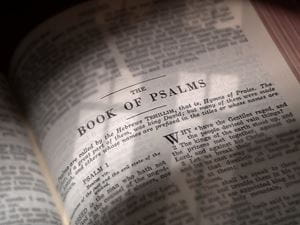
Adobe Stock
Psalm 67 is a "missionary psalm" as God has blessed his people to bring blessings "to the ends of the earth" (Genesis 12:2-3; Acts 1:8). The psalm builds to a climax in verse 4, "Let the nations be glad and sing for joy." So, as we scale these heights, let us rejoice in God's blessings that we might in turn be a blessing to others.
Receive God's Saving Grace (vv. 1-2)
The psalmist begins by praying Israel's priestly blessing: "May God be gracious to us and bless us and make his face to shine upon us" (Psalm 67:1; Numbers 6:24-26). God's shining countenance upon us reveals the opposite of a scowl. His kindness conveys warmth, favor, and goodwill as he welcomes us into his family. So, we sing of God's goodness until the nations join in praise as well. We proclaim God's blessings until "every creature in heaven and on earth and under the earth and on the sea" can testify in faith "to him who sits on the throne and to the Lamb be blessing and honor and glory and might forever and ever!" (Revelation 5:13).
Rejoice in God's Glorious Purposes (vv. 3-5)
Psalm 67 reaches its peak as the psalmist prays for all the nations to rejoice in God's glorious purposes (vv. 3-5).
Let the peoples praise you, O God; let all the peoples praise you!
Let the nations be glad and sing for joy,
for you judge the peoples with equity
and guide the nations upon earth.
Let the peoples praise you, O God; let all the peoples praise you!
The most noticeable aspect is the repeated refrain which echoes the call to praise God and give him thanks (vv. 3, 5). The heart of the psalm then declares, "Let the nations be glad and sing for joy" (v. 4). For the soul's greatest satisfaction comes from worshiping God with gladness. As created beings, we are most satisfied in God when we find our delight in him. We rejoice in God, for he is both our righteous Judge and our good Shepherd. He governs "the peoples with equity" and guides us into "paths of righteousness for his name's sake" (Psalm 23:3).
Revere God's Power to Bless (vv. 6-7)
Psalm 67 then concludes with another prayer for blessing: "The earth has yielded its increase; God, our God, shall bless us. God shall bless us; let all the ends of the earth fear him!" (vv. 6-7). This same God who blessed his people in the harvest would continue to bless them in the future. And through God's marvelous outpouring of abundance, all the peoples of the earth would worship him in fear.
The only problem comes when God's people do not remain faithful. For Israel lives in frequent disobedience, which yields curses and not blessings (Deuteronomy 28:15-68). Thus, Israel would also need a righteous Judge and gracious Shepherd to lead her back to repentance and the place of blessing (Deuteronomy 30). This Shepherd-King would be the Son of God himself who makes known the Father's glory to a watching world (John 1:18). For in Christ Jesus, God's people receive the ultimate fulfillment of the priestly blessing: grace and peace and favor from the Lord (Ephesians 1:3). In Christ Jesus, the church receives the harvest of the Gentile nations who have been grafted into Israel (Romans 11:11-24). In Christ Jesus, all God's children receive the blessings of his covenant through the obedience of God's Son (Romans 5:19b). Therefore, in Christ Jesus, we praise our God with tremendous gladness and songs of joy (Colossians 3:15-17).
Today, the church consists of both Jews and Gentiles from around the world (Ephesians 2:11-22). Yet still, we have a Great Commission to "proclaim the excellencies of him who called [us] out of darkness into his marvelous light" (1 Peter 2:9-10). We are chosen by God, children of the king, holy and beloved as God's own possession. So, when we awaken to who we truly are in Christ and as we marvel at God's grace and mercy, we will grow in missionary zeal to proclaim his excellencies among the nations. As we tremble that God has called us out of darkness into light, we call others to revere him also. Our passion for God's glory invites many others to worship with us. As John Piper writes in Let the Nations Be Glad,
Missions is not the ultimate goal of the church. Worship is. Missions exists because worship doesn't. Worship is ultimate, not missions, because God is ultimate, not man. When this age is over, and the countless millions of the redeemed fall on their faces before the throne of God, missions will be no more. It is a temporary necessity. But worship abides forever.
Life Application
- Listen to the lyrics of "For the Cause" by Keith & Kristyn Getty. Does this song resonate with your own soul's desire?
- Identify specific nations or people groups to pray for as a church or in your devotional time with God. Use facts and resources from Joshua Project to help inform your prayers.
- Find out if your church supports specific missionaries or their work. Reach out to those missionaries to see how you might bless them or pray for them.
Pray Psalm 67 back to God:
- O God, be gracious to us and bless us that we might be a blessing to others (v. 1).
- May our changed lives be a testimony of your saving power (v. 2).
- Let all the nations be glad in you and give you thanks (vv. 3-5).
- Remind us of your goodness with every increase of our blessings (v. 6).
- Then, may your glory go out to all the earth (v. 7).
8/31/2026 2:57:20 PM
more at patheos
1

Patheos November 2024 Featured Writer
2

Patheos June 2022 Featured Writer Duncan Edward Pile
3
Patheos July 2022 Featured Writer James Ford
4
Patheos May 2022 Featured Writer Gene Edward Veith

About Tom Sugimura
Tom Sugimura is a pastor-writer, church planting coach, and professor of biblical counseling. He writes at tomsugi.com, ministers the gospel at New Life Church, and hosts the Every Peoples Podcast. He and his wife cherish the moments as they raise their four kids in Southern California.
Patheos Explore the world's faith through different perspectives on religion and spirituality! Patheos has the views of the prevalent religions and spiritualities of the world.
Ad-Free & Subscriber Log-In Subscription Support
- About Us
- 2026 Calendar
- Videos
- Podcasts
- Library of World Religions
- Faith In Media Tracker
- Advertise With Us
- Write for Us
- Privacy Policy
- Terms of Service
- Do Not Sell My Data
- Contact Us
- Radiant Digital
- Manage Newsletter Subscriptions
- Unsubscribe From Notifications
- Sitemap
Copyright 2008-2026, Patheos. All rights reserved.
Subscription Support Ad-Free & Subscriber Log-In
Follow Patheos