
BuddhistCatholicContemplativeEvangelicalGeneral ChristianHinduJewishLatter-day SaintMuslimNew VisionsProgressive Christian
Beliefs
- Buddhist
- Catholic
- Contemplative
- Evangelical
- General Christian
- Hindu
- Jewish
- Latter-day Saint
- More Voices
- Muslim
- New Visions
- Pagan
- Progressive Christian
Topics
- Religion News
- Food and Religion
- Sports and Religion
- Religious Art
- Religious Music and Entertainment
- Religious Events
- History and Religion
- Style and Religion
- Politics and Religion
- Women in Religion
- Recreation Outdoors and Religion
- Business Finance and Religion
- Careers Workplace and Religion
- Education and Religion
- Family Parenting and Religion
- Health Fitness and Religion
- Home and Religion
- Relationships and Religion
- Technology and Religion
- Travel and Religion
Columnists
- Buddhist Columnists
- Business Finance and Religion Columnists
- Careers Workplace and Religion Columnists
- Catholic Columnists
- Contemplative Columnists
- Education and Religion Columnists
- Evangelists Columnists
- Family Parenting and Religion Columnists
- General Christian Columnists
- Health Fitness and Religion Columnists
- Hindu Columnists
- History and Religion Columnists
- Home and Religion Columnists
- Jewish Columnists
- More Voices Columnists
- Latter Day Columnists
- Muslim Columnists
- New Visions Columnists
- Nonreligious Columnists
- Pagan Columnists
- Politics and Religion Columnists
- Progressive Columnists
- Recreation Outdoors and Religion Columnists
- Relationships and Religion Columnists
- Religion News Columnists
- Religious Art Columnists
- Religious Events Columnists
- Religious Music and Entertainment Columnists
- Sports and Religion Columnists
- Style and Religion Columnists
- Technology and Religion Columnists
- Travel and Religion Columnists
- Women in Religion Columnists
Resource Library
- 2026 Calendar
- Library of World Religions
- The 100 Most Holy Places on Earth
- Patheos Answers
- Podcasts
- Videos
- Faith Leaders Database
- Anglican Episcopalian
- Bahai
- Baptist
- Buddhism
- Christianity
- Confucianism
- Eastern Orthodoxy
- Hinduism
- Holiness and Pentecostal
- ISKCON
- Islam
- Judaism
- Lutheran
- Methodist
- The Church of Jesus Christ of Latter-day Saints
- New Age
- Paganism
- Presbytarian and Reformed
- Protestantism
- Religion Behind the Scenes
- Roman Catholic
- Scientology
- Shia Islam
- Sikhism
- Sufism
- Sunni Islam
- Taoism
- Zen
- See all religions
Research Tools
 Ad-Free & Subscriber Log-In Subscription Support
Ad-Free & Subscriber Log-In Subscription Support
Follow Patheos 

- Trending:
- Forgiveness
- |
- Marriage
- |
- Consciousness
- |
- Death Penalty
- |
- Election
- |
- Halloween
Catholic
The Sexual Divide: Sex and Christianity, Part 2
July 18, 2011 by Tim Muldoon
"Like" the Patheos Catholic Page on Facebook to receive today's best commentary on Catholic issues.
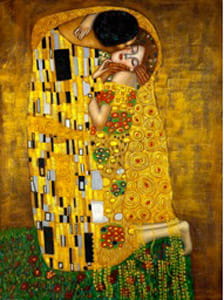 A couple of weeks ago, my family and I were rocked by something that happened just a few miles up the road from where we live: a teenage boy killed a teenage former girlfriend. Chances are good that part of the story has to do with the lacerations of love.
Societies ancient and new have wrestled with questions of how to steer people into relationships that benefit themselves, their families, and the common good. Sex is never a private issue, for it touches on the ways that people perceive and behave toward each other. In fact, what this and other stories remind us of is that there is potential danger when sexual questions are not public questions, when people believe that intimacy has no implications for families and for societies as a whole.
Sexual issues must be brought into the light of day, for only strong social pressures can restrain the runaway passion that gives birth to the twins of eros and anger. Conservatives rightly point out that we are foolish to sweep away, through short-sighted legislation, social mores that have developed over centuries. Yet progressives are right to point out that social mores always reflect a society's winners, most of whom have not (for example) been stay-at-home moms or, for that matter, single people. The right balance is what the best of Christian tradition (not exclusively, of course) has practiced: rootedness in a textual tradition, but informed by contemporary commentary. It is no surprise that in matters of sex, that balance of commentary on a textual tradition was struck by Jesus time and again.
Our century-plus of modernity is not the first to grapple with sex. Ancient cultures could see the implications of getting sex wrong, and for that reason wrote the theme into the very DNA of its literature. It is no surprise that ancient myths abound with the coupling of gods: Isis-Osiris; Zeus-Hera; Anu and his consorts. Sex touches some of the great mysteries of human life: birth, puberty, marriage, jealousy, even killing. Reading the Bible as a collection of ancient literature, one can see the way that a text like Genesis shares some similarities with other ancient texts (like Gilgamesh and the Enuma Elish). Among other things, it offers a way of situating a culture, not unlike nomads planting a stake in the ground and saying "this is where we now live."
To say what God intended "in the beginning," as the opening words of Genesis say (that is, the newer Priestly creation story) is to say something about what leaders in fifth-century Israel recognized as central to their identity as a nation: the social roles of men and women. When they wrote "God created man in his image; in the divine image he created him; male and female he created them" (Gen. 1:27), they were not blind to the difficulty of creating clear definitions between men and women—definitions which some today find problematic. Ancient writers were familiar with the phenomena of gender-bending (e.g. "A woman shall not wear an article proper to a man, nor shall a man put on a woman's dress; for anyone who does such things is an abomination to the LORD, your God" Dt. 22:5). Yet they chose to highlight and extol certain roles that had evolved from their prehistory: primarily household roles for women; primarily military, agricultural, and political roles for men. Specific gender roles aside, what is significant is the theological claim: God created us both, and wants us to get along. And we're going to have to do it as a whole society, not as isolated individuals.
The word "sex," ambiguous as it is in English, comes probably from the Latin verb secare, to cut. It's an image of the human situation, too often cleaved by the otherness that men perceive in women and vice versa. The Priestly writers and editors, to whom Jesus makes reference in his most specific commentary on marriage ("Have you not read that from the beginning the Creator 'made them male and female'," Matt. 19:4) understood this common belief, and wished to suggest a way forward. Editing Genesis by putting their newer creation story first, they then went on to paste an older, Yahwistic account:
Article Continued On Next Page
Page: 1 of 2
7/18/2011 4:00:00 AM
Catholic
Culture at the Crossroads
Sex
Christianity
Roman Catholicism
more at patheos
1

"Memories light the corners of my mind"
2

Faith and Covenant: Two Promises in the Opening of Scripture
3

4

The Heated Rivalry of David and Jonathan

About Tim Muldoon
Tim Muldoon holds a Ph.D. in Catholic systematic theology and is an award-winning author and Catholic theologian of the new evangelization.
Patheos Explore the world's faith through different perspectives on religion and spirituality! Patheos has the views of the prevalent religions and spiritualities of the world.
Ad-Free & Subscriber Log-In Subscription Support
- About Us
- 2026 Calendar
- Videos
- Podcasts
- Library of World Religions
- Faith In Media Tracker
- Advertise With Us
- Write for Us
- Privacy Policy
- Terms of Service
- Do Not Sell My Data
- Contact Us
- Radiant Digital
- Manage Newsletter Subscriptions
- Unsubscribe From Notifications
- Sitemap
Copyright 2008-2026, Patheos. All rights reserved.
Subscription Support Ad-Free & Subscriber Log-In
Follow Patheos