
BuddhistCatholicContemplativeEvangelicalGeneral ChristianHinduJewishLatter-day SaintMuslimNew VisionsProgressive Christian
Beliefs
- Buddhist
- Catholic
- Contemplative
- Evangelical
- General Christian
- Hindu
- Jewish
- Latter-day Saint
- More Voices
- Muslim
- New Visions
- Pagan
- Progressive Christian
Topics
- Religion News
- Food and Religion
- Sports and Religion
- Religious Art
- Religious Music and Entertainment
- Religious Events
- History and Religion
- Style and Religion
- Politics and Religion
- Women in Religion
- Recreation Outdoors and Religion
- Business Finance and Religion
- Careers Workplace and Religion
- Education and Religion
- Family Parenting and Religion
- Health Fitness and Religion
- Home and Religion
- Relationships and Religion
- Technology and Religion
- Travel and Religion
Columnists
- Buddhist Columnists
- Business Finance and Religion Columnists
- Careers Workplace and Religion Columnists
- Catholic Columnists
- Contemplative Columnists
- Education and Religion Columnists
- Evangelists Columnists
- Family Parenting and Religion Columnists
- General Christian Columnists
- Health Fitness and Religion Columnists
- Hindu Columnists
- History and Religion Columnists
- Home and Religion Columnists
- Jewish Columnists
- More Voices Columnists
- Latter Day Columnists
- Muslim Columnists
- New Visions Columnists
- Nonreligious Columnists
- Pagan Columnists
- Politics and Religion Columnists
- Progressive Columnists
- Recreation Outdoors and Religion Columnists
- Relationships and Religion Columnists
- Religion News Columnists
- Religious Art Columnists
- Religious Events Columnists
- Religious Music and Entertainment Columnists
- Sports and Religion Columnists
- Style and Religion Columnists
- Technology and Religion Columnists
- Travel and Religion Columnists
- Women in Religion Columnists
Resource Library
- 2026 Calendar
- Library of World Religions
- The 100 Most Holy Places on Earth
- Patheos Answers
- Podcasts
- Videos
- Faith Leaders Database
- Anglican Episcopalian
- Bahai
- Baptist
- Buddhism
- Christianity
- Confucianism
- Eastern Orthodoxy
- Hinduism
- Holiness and Pentecostal
- ISKCON
- Islam
- Judaism
- Lutheran
- Methodist
- The Church of Jesus Christ of Latter-day Saints
- New Age
- Paganism
- Presbytarian and Reformed
- Protestantism
- Religion Behind the Scenes
- Roman Catholic
- Scientology
- Shia Islam
- Sikhism
- Sufism
- Sunni Islam
- Taoism
- Zen
- See all religions
Research Tools
 Ad-Free & Subscriber Log-In Subscription Support
Ad-Free & Subscriber Log-In Subscription Support
Follow Patheos 

- Trending:
- Forgiveness
- |
- Marriage
- |
- Consciousness
- |
- Death Penalty
- |
- Election
- |
- Halloween
Progressive Christian
Seminary Education for People Like Me
November 08, 2011 by Monica Coleman
"Like" the Patheos Progressive Christian Page on Facebook to receive today's best commentary on Progressive Christian issues.
Editor's Note: This article is part of an online symposium, "Does Seminary Have a Future?" hosted at Patheos this month. Read other perspectives here.
I love teaching in theological education because I loved being a student.
When I was in college, I was an active lay Christian. I didn't major in religion and had no plans to be a minister or professor of religion. But I had some questions that weren't answered in church or Christian campus organizations, so I decided to take a couple electives in biblical studies at my university's divinity school. I learned midrash, biblical criticism and German higher criticism. I participated in heated conversations with my classmates, and admired the passion of my professors. I vowed to return to divinity school at some point in the future.
I ended up getting a degree in theological education due to a combination of my call to ministry, a bit of directional uncertainty with doctoral studies, and the ordination requirements of my denomination.
It was then that I learned that theological education is Christianity's best-kept secret. I knew about biblical studies, and history, but no one told me that there were all these things in religion to study: theology, ethics, preaching, worship, history, pastoral care, religious education, and more! Once again, I had erudite, passionate and caring faculty. The majority of them cared as much about my vocational desires and my spiritual development as they did about my brain. I loved learning about God and my own faith.
When Sallie McFague asked me what I thought I could study for thirty years without being bored, I enthusiastically answered, "Theology!"
I begin all of my introductory Christian theology classes with a statement about how amazing it is to pursue theological education. "You are the ones who care enough about your faith to study it, examine it, doubt it, take time out of your lives and deepen it!"
There's something ironic about this because I'm aware that theological education - especially freestanding denominational seminaries - was not created for people like me.
These schools were created for Christian denominations to send their largely young single white male clergy for a communal (monastic-type) experience, so that they might emerge as educated professionals who would serve the local churches of said denomination.
Most seminaries adapted to small changes in that picture over time: women, people of color, family housing, second-career students. But they still assumed that individuals had the interests, mobility, denominational support and financial means of the original ideal student.
Theological educators are now faced with the reality that the structures that nourished and created us are no longer feasible. There aren't enough people going into ordained Christian denominational ministry, and the ones that do won't make enough money to pay back student loans. Theological education will need to change. I suggest starting at the beginning.
What if theological education was designed for people like me?
Woman, African American, active lay person, minister in a denomination that does not require a M.Div., community justice worker, assistant minister.
What if theological education was designed for people like my friends?
Partnered, with children, with full-time jobs already.
What if the main goal of a theological school was not to produce professionals, but to "share the secrets" of theological education?: that Christian history has always been diverse; that orthodoxy was constructed - and can be reconstructed; that there's more than one way to be faithful - and there always has been; that there are ways to craft worship to include as many people as possible; that the Bible is more about art, love and survival than fact.
What if theological schools were to focus on how to share Christianity with as many interested people as possible?
We might go to where people are, rather than expecting them to come to us. Faculty might teach in churches, community centers and online. Faculty might teach at times when people with jobs could learn—after work, on the weekends, early mornings. Faculty would have to be more intentional about showing how our knowledge translates into everyday life—perhaps for people who will never preach a sermon.
Theological education would have to be affordable, available on a payment plan over time—so people could take a class at a time, or earn a certificate; because many people have no need or desire for a professional degree. Let alone the money.
While theological education would strive to create spiritual and intellectual community among our students; we might also help empower them to create and nurture such community where they are.
The hard truth of this is that it could mean that the only building we need is a library (until we figure out how to effectively loan Kierkegaard on a Kindle, Nook or iPad), renting retreat centers and places around the city/country for classes and meetings as necessary.
As a theological educator, my ideal student is anyone who cares about her faith enough to study it, examine it, doubt it, and take time out of her life in hopes of deepening it. It's not only the ideal way to teach; it's the best way to learn.
11/8/2011 5:00:00 AM
Progressive Christian
Women In Spirit and Flesh
FOSE
Future of Seminary
Sacred Texts
Seminaries
Seminary education
Christianity
more at patheos
1

Adventurous Lectionary - Pentecost 7 - July 19, 2026
2
3

Civilizational India (Bharat): Beyond the Western Optics
4

World Chocolate Day: Celebrating a Popular Sweet Treat
About Monica Coleman
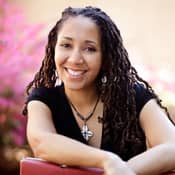
Monica A. Coleman is Associate Professor of Constructive Theology and African American Religions and Co-Director for Process Studies at Claremont School of Theology and Claremont Lincoln University. An ordained elder in the African Methodist Episcopal Church, Coleman has earned degrees at Harvard University, Vanderbilt University and Claremont Graduate University.
Patheos Explore the world's faith through different perspectives on religion and spirituality! Patheos has the views of the prevalent religions and spiritualities of the world.
Ad-Free & Subscriber Log-In Subscription Support
- About Us
- 2026 Calendar
- Videos
- Podcasts
- Library of World Religions
- Faith In Media Tracker
- Advertise With Us
- Write for Us
- Privacy Policy
- Terms of Service
- Do Not Sell My Data
- Contact Us
- Radiant Digital
- Manage Newsletter Subscriptions
- Unsubscribe From Notifications
- Sitemap
Copyright 2008-2026, Patheos. All rights reserved.
Subscription Support Ad-Free & Subscriber Log-In
Follow Patheos