
BuddhistCatholicContemplativeEvangelicalGeneral ChristianHinduJewishLatter-day SaintMuslimNew VisionsProgressive Christian
Beliefs
- Buddhist
- Catholic
- Contemplative
- Evangelical
- General Christian
- Hindu
- Jewish
- Latter-day Saint
- More Voices
- Muslim
- New Visions
- Pagan
- Progressive Christian
Topics
- Religion News
- Food and Religion
- Sports and Religion
- Religious Art
- Religious Music and Entertainment
- Religious Events
- History and Religion
- Style and Religion
- Politics and Religion
- Women in Religion
- Recreation Outdoors and Religion
- Business Finance and Religion
- Careers Workplace and Religion
- Education and Religion
- Family Parenting and Religion
- Health Fitness and Religion
- Home and Religion
- Relationships and Religion
- Technology and Religion
- Travel and Religion
Columnists
- Buddhist Columnists
- Business Finance and Religion Columnists
- Careers Workplace and Religion Columnists
- Catholic Columnists
- Contemplative Columnists
- Education and Religion Columnists
- Evangelists Columnists
- Family Parenting and Religion Columnists
- General Christian Columnists
- Health Fitness and Religion Columnists
- Hindu Columnists
- History and Religion Columnists
- Home and Religion Columnists
- Jewish Columnists
- More Voices Columnists
- Latter Day Columnists
- Muslim Columnists
- New Visions Columnists
- Nonreligious Columnists
- Pagan Columnists
- Politics and Religion Columnists
- Progressive Columnists
- Recreation Outdoors and Religion Columnists
- Relationships and Religion Columnists
- Religion News Columnists
- Religious Art Columnists
- Religious Events Columnists
- Religious Music and Entertainment Columnists
- Sports and Religion Columnists
- Style and Religion Columnists
- Technology and Religion Columnists
- Travel and Religion Columnists
- Women in Religion Columnists
Resource Library
- 2026 Calendar
- Library of World Religions
- The 100 Most Holy Places on Earth
- Patheos Answers
- Podcasts
- Videos
- Faith Leaders Database
- Anglican Episcopalian
- Bahai
- Baptist
- Buddhism
- Christianity
- Confucianism
- Eastern Orthodoxy
- Hinduism
- Holiness and Pentecostal
- ISKCON
- Islam
- Judaism
- Lutheran
- Methodist
- The Church of Jesus Christ of Latter-day Saints
- New Age
- Paganism
- Presbytarian and Reformed
- Protestantism
- Religion Behind the Scenes
- Roman Catholic
- Scientology
- Shia Islam
- Sikhism
- Sufism
- Sunni Islam
- Taoism
- Zen
- See all religions
Research Tools
 Ad-Free & Subscriber Log-In Subscription Support
Ad-Free & Subscriber Log-In Subscription Support
Follow Patheos 

- Trending:
- Forgiveness
- |
- Marriage
- |
- Consciousness
- |
- Death Penalty
- |
- Election
- |
- Halloween
Catholic
Refusing to Suffer Is Refusing to Live
February 09, 2011 by Chelsea Zimmerman
 After several years of rigorously defending and promoting the dignity and sanctity of all human life, it has been my observation that one of the supporting pillars of the culture of death (those kneejerk proponents of abortion, euthanasia, assisted suicide, cloning/ESCR) is a desire to avoid or alleviate human suffering at all cost. A woman with an unwanted pregnancy doesn't want the "burden" of a child; sick people want cures for what ails them or they want to be put out of their misery altogether; what good is imperfection, anyway? We see suffering, more than evil, as the worst thing there is, so much so that we will commit evil acts in an attempt to avoid it, often under the pretext of mercy and compassion.
But a culture that expects life to be lived to its fullness must be able to embrace and make peace with—even find joy in—the normalcy of human suffering.
A few years ago, this expressed sentiment prompted a fellow blogger to ask: why?
I have to admit, she had me stumped. Though I had come up with the connection between the culture of death and society's disdain for suffering, I couldn't exactly explain why the two were so connected. Then, nearly two years later, I came across a section in Fr. Jacques Philippe's book Interior Freedom entitled "Refusing to Suffer Means Refusing to Live":
Suffering should be remedied whenever possible, but it is a part of life, and attempting to get rid of it completely means suppressing life, refusing to live, and ultimately rejecting the beauty and goodness that life can bring us.
Why does hatred of suffering lead to decreased respect for human life? Because refusing to suffer is refusing the totality of living. It is a rejection of life itself.
If anything is certain in this life it is that we all will, at some point, experience suffering. Accidents will happen; people will let us down; our bodies will deteriorate; our loved ones will fade. Suffering is part of human existence and we should reduce or ease it where we can, but eliminating it completely is not within our power. In fact, very often the more we reject and try to avoid suffering, the more we encounter it; as our ability to forebear any difficulty becomes decreased, the smaller and more insignificant trials begin to seem huge and intolerable.
When I was 17 and the doctors told me that I would never walk again, I knew I had two choices. I could wallow in self-pity and sit around moping about my fate and refusing to face life in a wheelchair. Or I could accept the diagnosis, get out of bed, and confront the challenges that come with a disability head on.
I'm not going to lie. The past eleven years have not been easy.
But that doesn't mean they have been "too hard" to take, or that joy has eluded me. I'm still a human being, I'm still alive, and my life still has meaning and infinite value despite my challenges and limitations. What's more, experiencing adversity has provided me with an elite (and extensive) education in the practical living-out of those valuable virtues: humility, patience, courage, and perseverance.
A life without suffering or conflict is one of heaven, not earth. On earth, even Jesus, the God-man, suffered. So did his beloved mother.
In another book, In the School of the Holy Spirit, Fr. Philippe posits that what often prevents us from becoming saints is the difficulty we have in fully accepting everything that happens to us. Though he does not will suffering, which is a consequence of Original Sin, God does, much to our bewilderment, allow it and he invites us to consent to it, not in a sense of passive resignation, but in the trusting, total abandonment that "for those who love God, everything works together for good" (Rom. 8:28).
God's ways are not our ways; he created us and alone knows what is best for us. He is infinitely good and eternally seeks our well-being, so we can be sure that whatever he allows to befall us is never purposeless, but ultimately for our benefit and the good of others.
The Culture of Death is rooted in an inability to meaningfully connect with suffering. Trained by the popular culture to believe that pleasure alone translates into "living life to the fullest," we try to avoid pain rather than move through it, which means we can never triumph over it or transcend it.
Article Continued On Next Page
Page: 1 of 2
2/9/2011 5:00:00 AM
Catholic
Abortion
Books
Cloning
Culture of death
Euthanasia
assisted suicide
Pope Benedict
Pro-life
Christianity
Roman Catholicism
more at patheos
1

2

Do not Give Up and Do not Give Out!
3
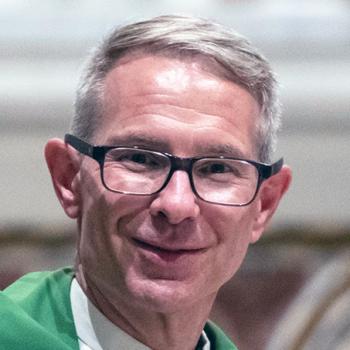
Fr William Palladino, J.C.L., Appointed Judicial Vicar
4

God’s Children Really Will Live Happily Ever After
About
Patheos Explore the world's faith through different perspectives on religion and spirituality! Patheos has the views of the prevalent religions and spiritualities of the world.
Ad-Free & Subscriber Log-In Subscription Support
- About Us
- 2026 Calendar
- Videos
- Podcasts
- Library of World Religions
- Faith In Media Tracker
- Advertise With Us
- Write for Us
- Privacy Policy
- Terms of Service
- Do Not Sell My Data
- Contact Us
- Radiant Digital
- Manage Newsletter Subscriptions
- Unsubscribe From Notifications
- Sitemap
Copyright 2008-2026, Patheos. All rights reserved.
Subscription Support Ad-Free & Subscriber Log-In
Follow Patheos